Reading Time: 9 minutes
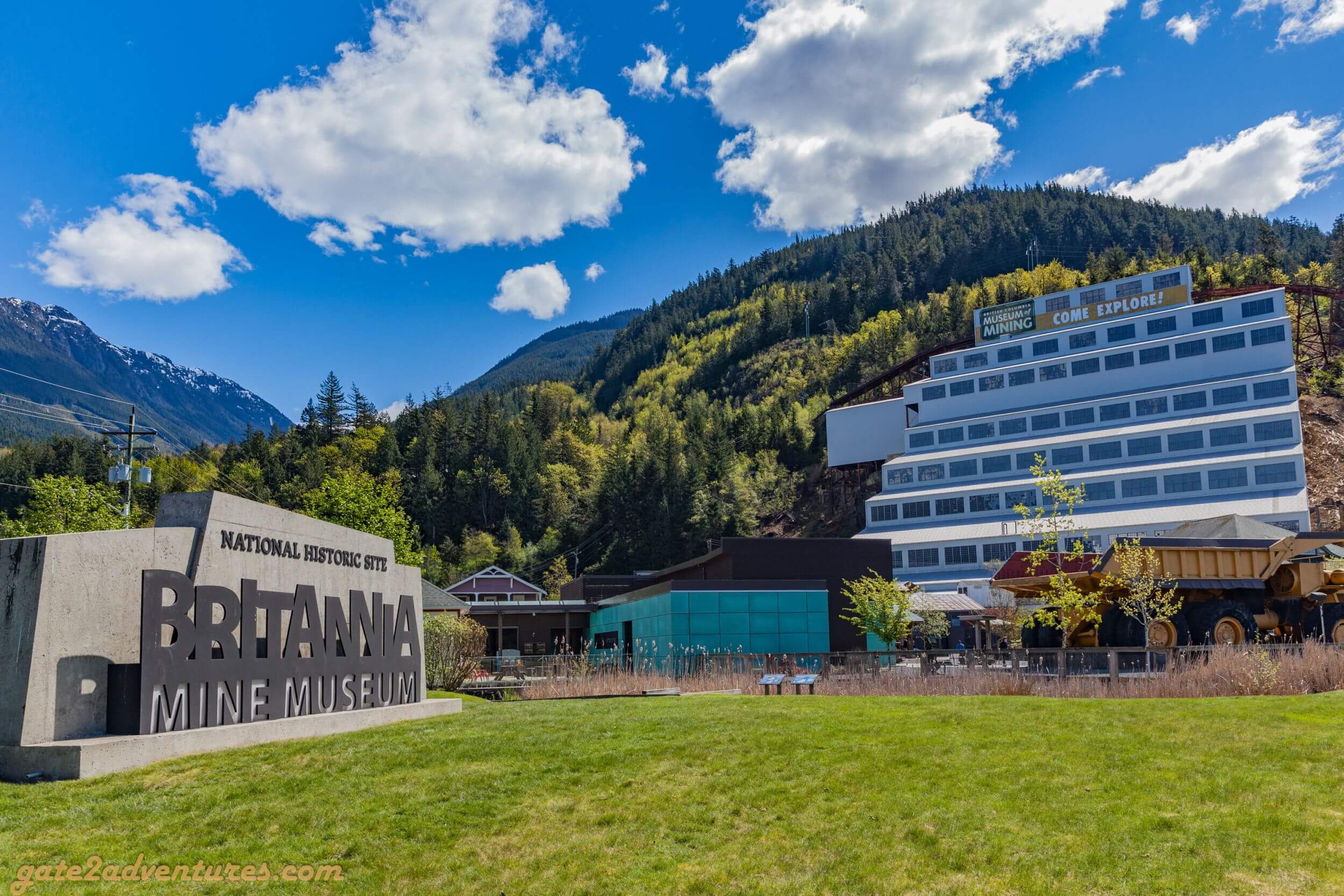
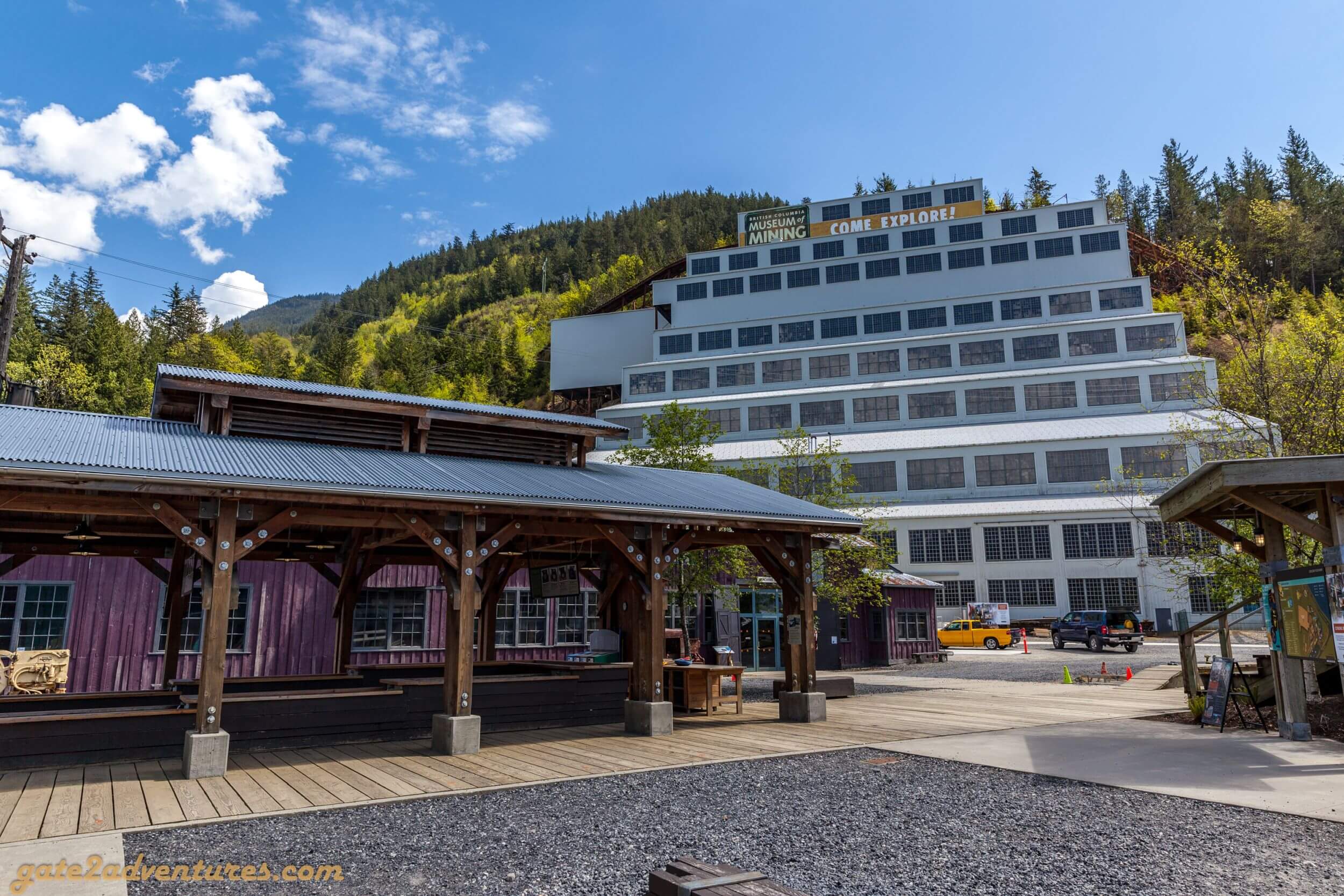
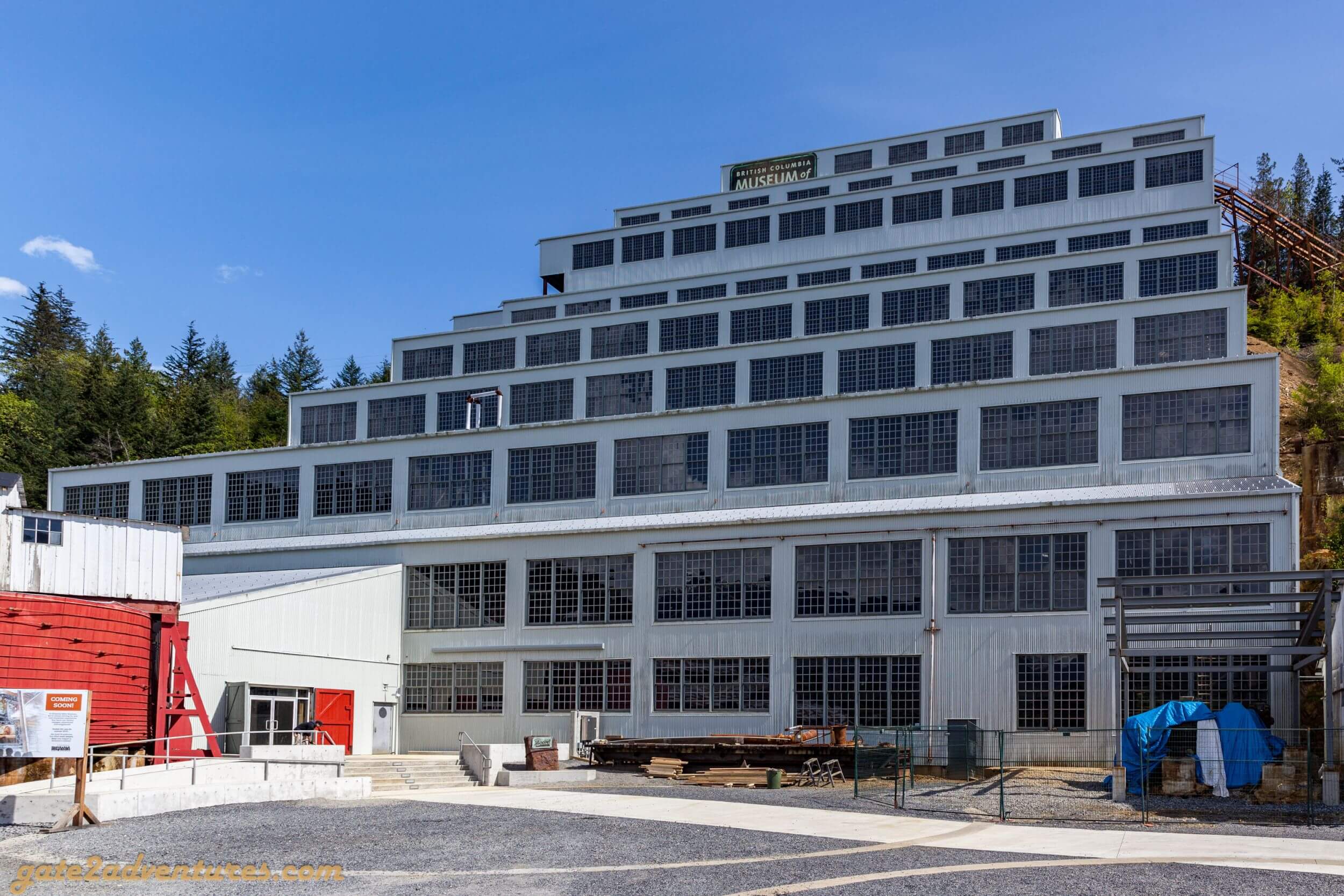
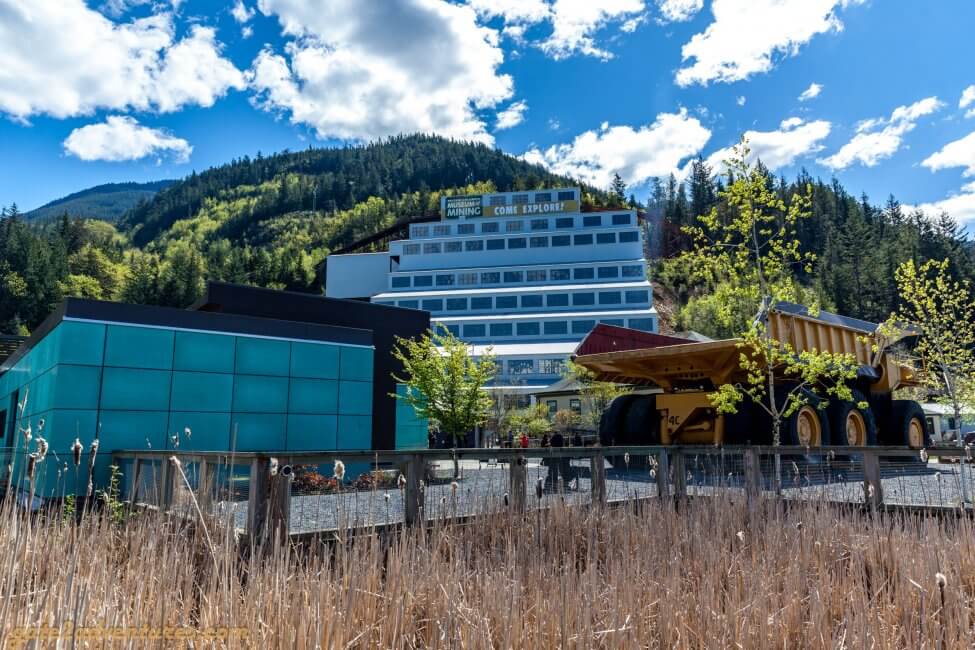
During my stay in Vancouver, BC I had some time to explore the surrounding areas. While on a road trip to Squamish and Whistle I passed the Britannia Mine, which you can’t miss because of the huge mill building “leaning” against Mount Sheer. As I had a day off, I decided to drive out to visit and explore the Britannia Mine Museum.
Location
The Britannia Mine Museum is only about a 45-minute drive from Vancouver or a 10-minute drive from Squamish. Britannia Mine Museum is located on the Sea-to-Sky Highway on Howe Sound in Britannia Beach.
History
The Britannia Mine was once the largest copper mine in the British Commonwealth. Ore was first discovered here in 1888 and the mine opened in 1904. With an operational live span of 70 years, this mine was during its peak times the biggest mining operation in Canada. During its peak, the mine produced 7000 tons of ore per day. The mine produced over 650,000 tons of copper during its lifetime. Copper was the main ore mined here, but besides copper, the mine also produced zinc, lead, cadmium, silver, and gold.
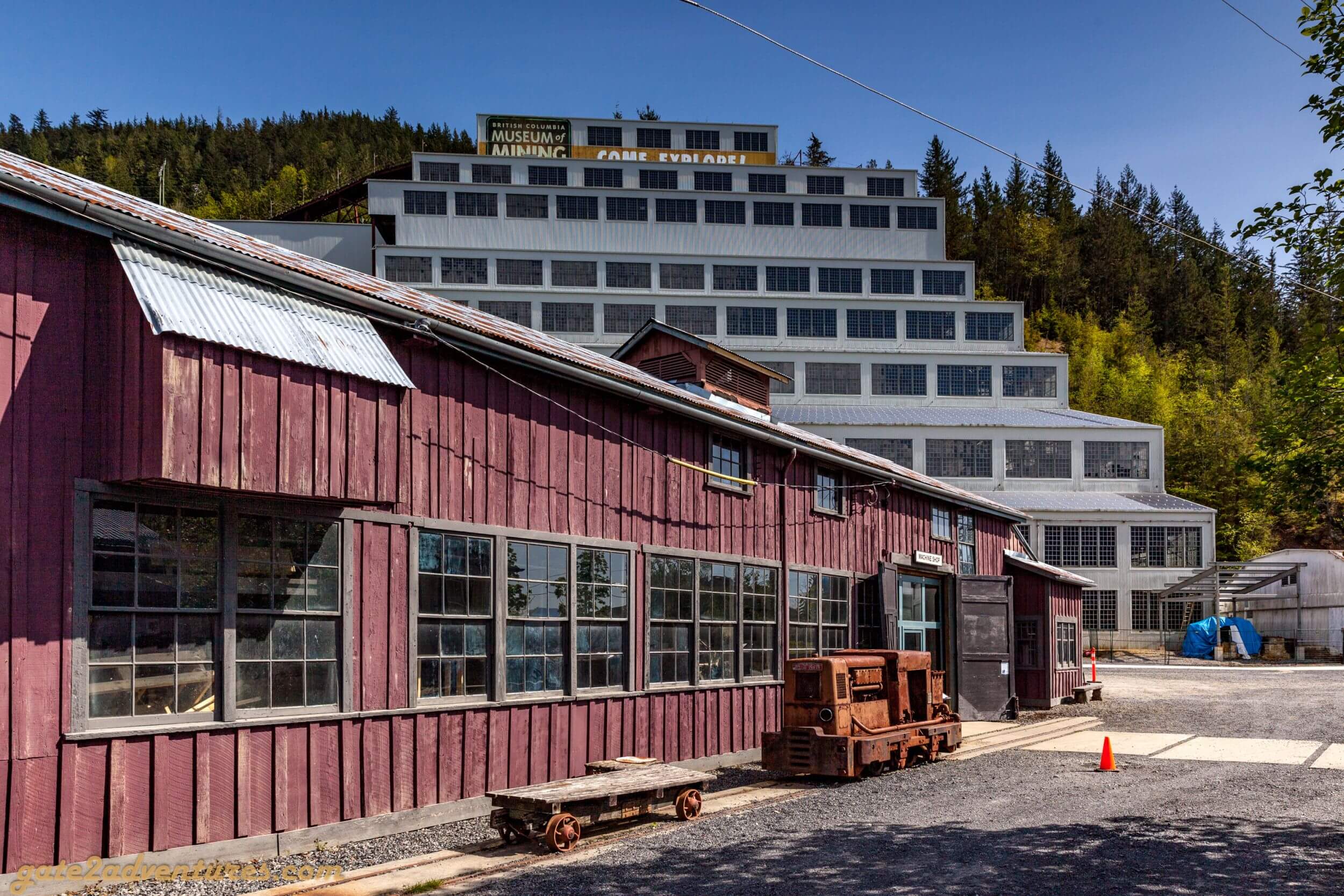
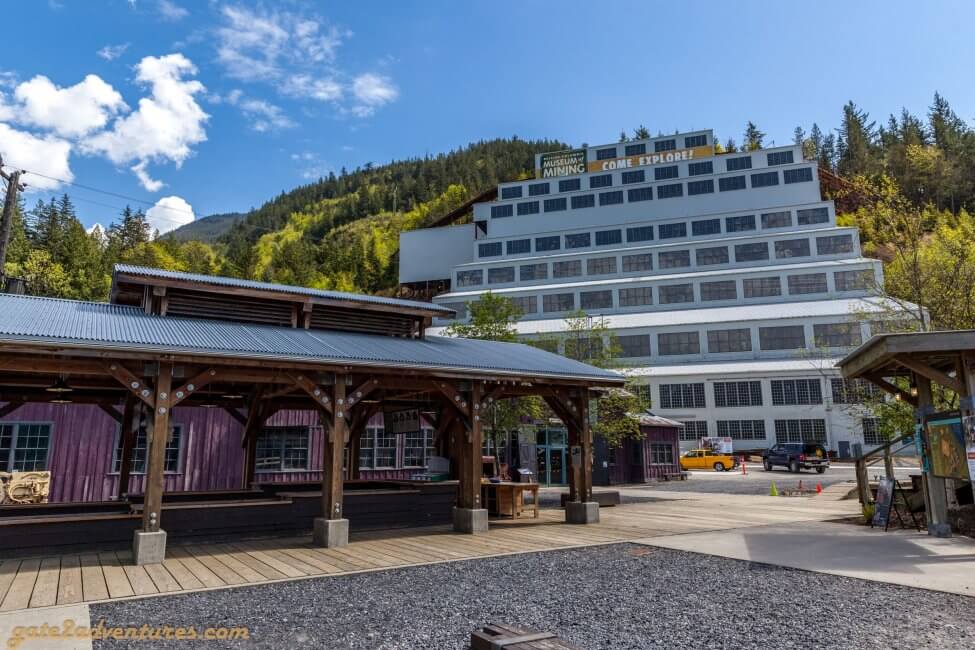
To separate the ore from the rock, a mill, also known as a concentrator, was built. The 20 story building you see today against Mount Sheer is Mill 3. The first mill didn’t work as it should and therefore a second mill was built. This mill burned down and was replaced with Mill No. 3 you see today. Mill No. 3 is a gravity-fed concentrator that was highly innovative when it was built in the early 1920s.
Back then the mine was only accessible by boat until the highway and railway got completed in 1965. High operating costs and taxes eventually forced the mine to close on November 1, 1974. Once the mine was closed, the company did not make an effort to clean up the mine and the produced chemical waste. Besides being one of the biggest mining operations back then, it was also one of the biggest pollutants of Britannia Creek and Howe Sound. Runoff and rainwater which flow through the tunnels of the mine, mixed with oxygen and the high sulfide of the waste rock, created a condition called acid rock drainage (ARD). A water treatment plant was installed, which collects all the runoff from the mine, cleans it, and then releases the clean water back into Britannia Creek and Howe Sound. About 4.2 billion liters of contaminated water run through the treatment plant annually which removes an average of 226,000 kg of heavy metal contaminants. Due to reclamation efforts, the local waters of Britannia Creek and Howe Sound are now 99% cleared of the heavy metals and support local ocean life once again.
In 1975 the museum opened, back then under the name BC Museum of Mining. After numerous expensive renovations, the site was renamed to Britannia Mine Museum in October 2010.
Visiting Britannia Mine Museum
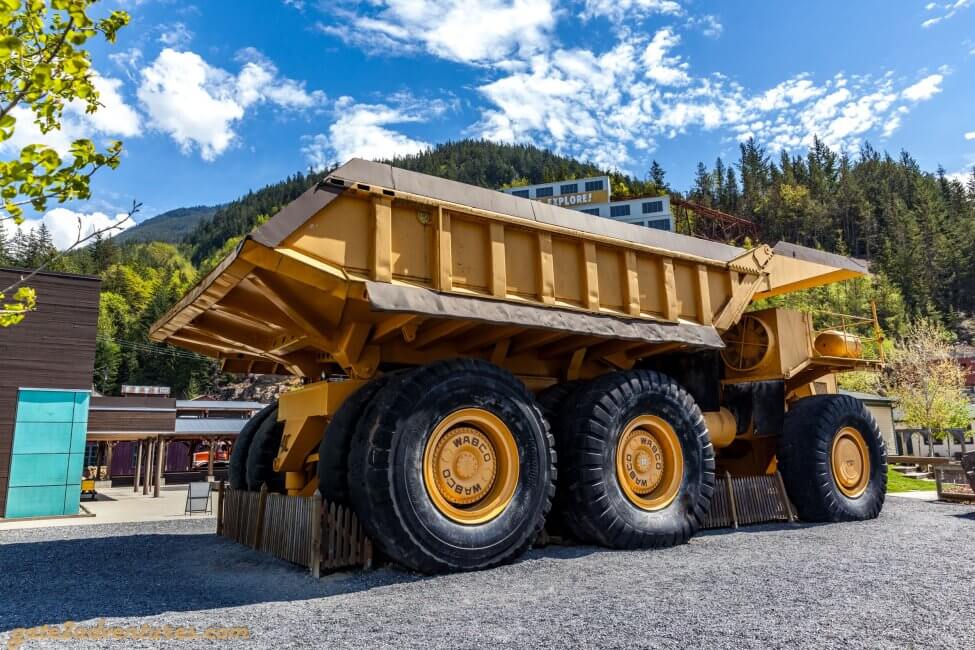
As my visit to the mine was rather spontaneous, I just hopped into my rental car and started driving. The drive to the mine museum is easy and very scenic as you drive along the Sea-to-Sky Highway (Hwy 99). You can’t really miss the mine, no matter from what direction you are coming. Driving north you will see the gigantic haul truck and a sign next to the road while heading south on Hwy 99 you will see the Concentrator way before you even notice the sign on the side of the street.
Parking is complimentary and you just need to find an open spot. If you are planning to come here, I highly recommend you to make reservations ahead of time, which you can do on the official website. Most of the mine can be explored on foot but while you are visiting the museum, you can’t miss out on the 45 minutes guided underground tour. This is the highlight of the whole museum. Especially if you are a family or a bigger group, reservations are recommended.

Admission prices are on the high side, with $36.70 CAD for an adult ticket. Trust me, the admission is really worth every cent. Besides that, you help preserve and operate this place for many generations to come.
Buying Tickets
You have two choices for buying tickets. Either online or at the ticket window. Both have advantages and disadvantages.
Ticket Window
This is the most flexible option if you are just driving through the area and want to stop by. Also great for a spontaneous and unplanned visit to the mine. Downside: All the tour spots could be already booked and you won’t get on the underground tour. Believe me, you have to take the tour, otherwise, it’s not worth coming here. It really is a must.
Online Booking
You can also buy your ticket online, which is great for bigger groups to secure a spot on the underground tour. But the downsides with online reservations are, that you have to make the reservation at least 24h ahead of your planned arrival and that you have to be there for your selected tour time. If you arrive past your reserved tour time, the staff will try to accommodate you on the next tour if there are open spots available. This means your group might get split up or you will miss the tour completely. Make sure you are there on time for your tour. Rather arrive early and use the time to explore the rest of the grounds.
It’s ultimately up to you and your schedule on what kind of ticket purchase you decide on. I bought my ticket at the ticket window and was able to get on the next scheduled tour for that day. Tours run every 30 minutes starting at 10 a.m.
After entering the Britannia Mine Museum Grounds
Once again, and I can’t say it often enough. Make sure you are here ahead of time for your scheduled tour. It depends on how much time you have now available before your tour starts. You can either explore the other exhibits at the museum or make your way slowly up to the tour start point. I would start heading that way at least 15 minutes before your tour starts, to be on the safe side. It is a small trip to get there from the movie theatre.

The restrooms are located next to the main entrance and make sure you are ready for your 45-minute long underground tour. There won’t be any restrooms along the way.
Exhibits at the Britannia Mine Museum
The Beaty-Lundin Visitor Centre
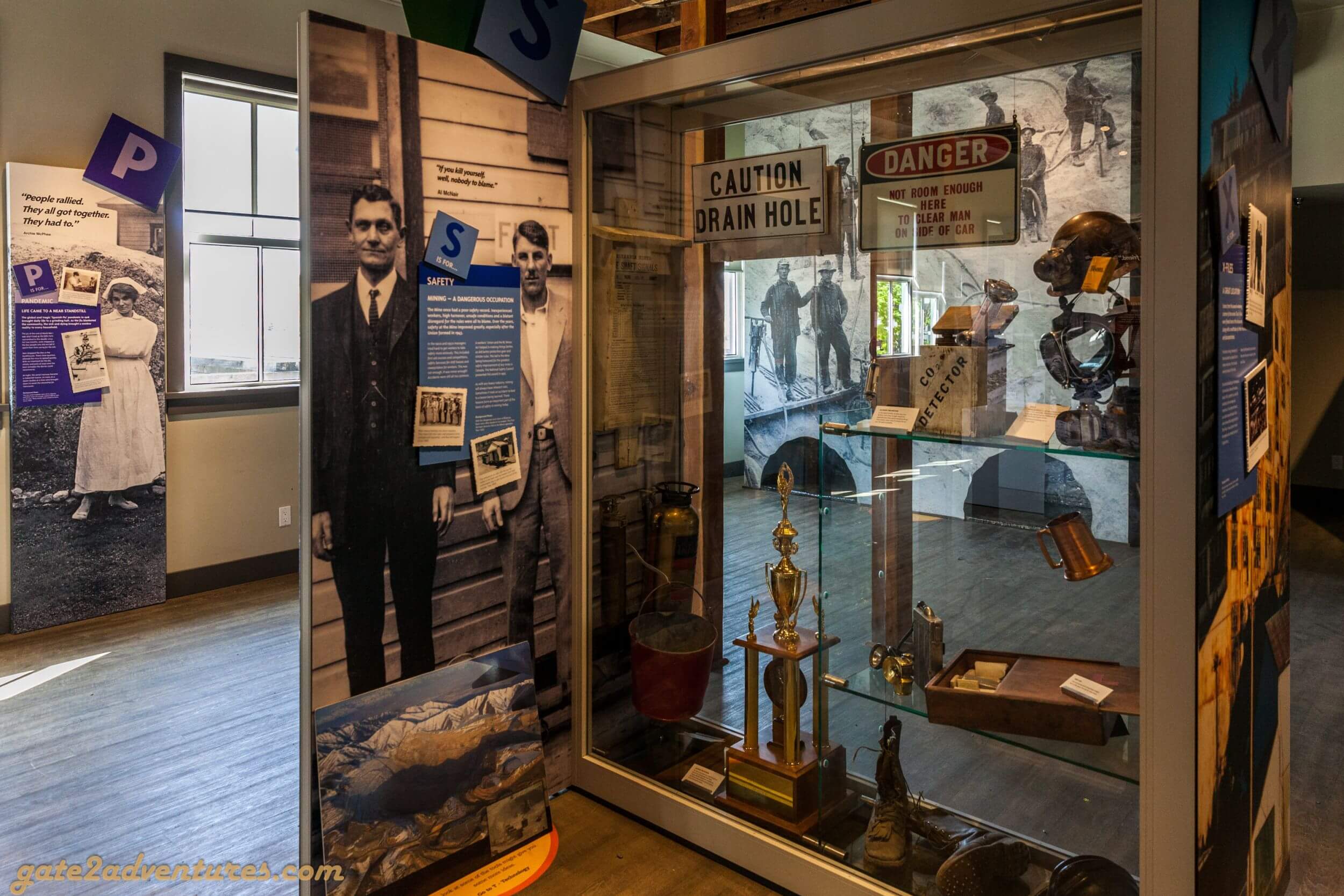
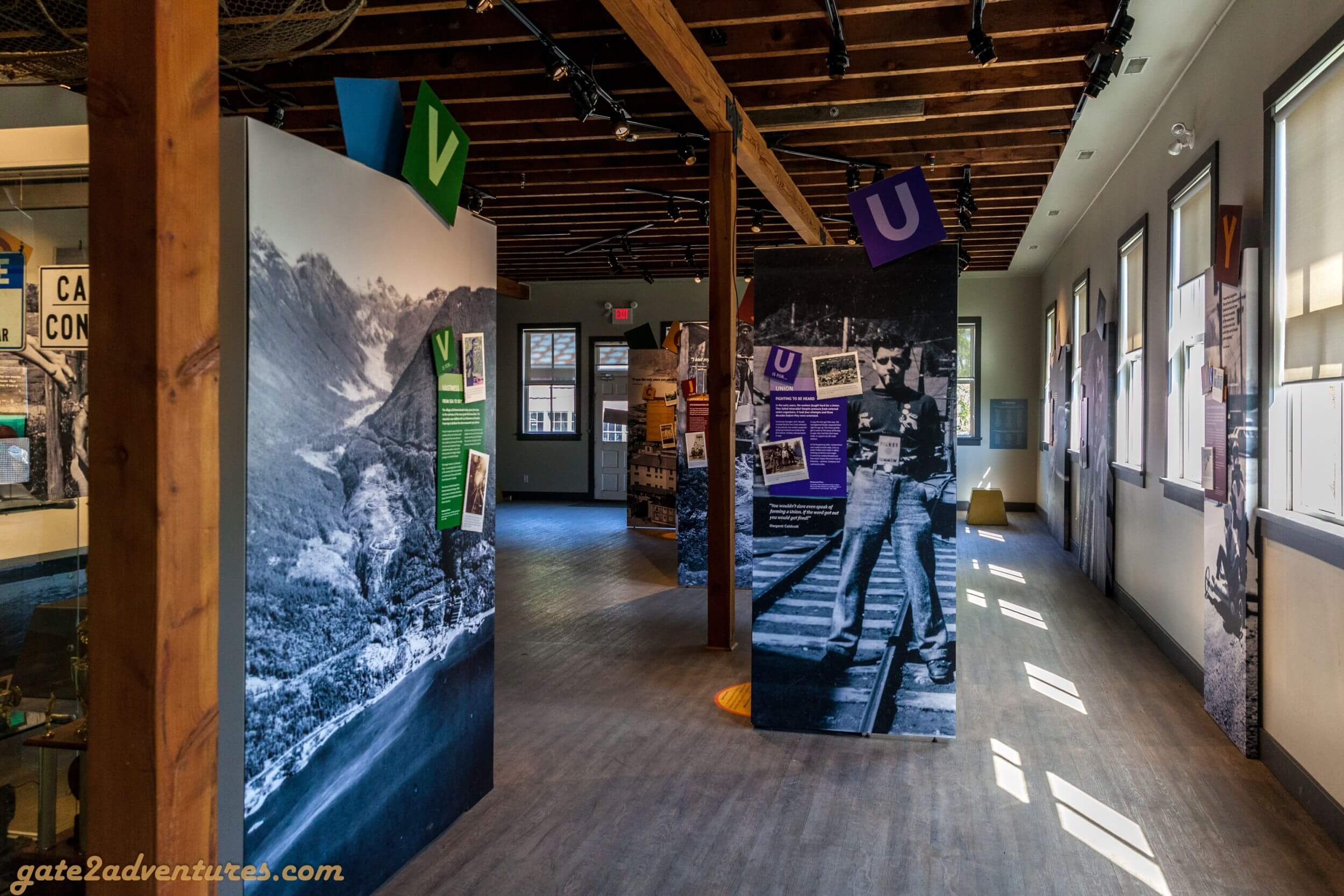
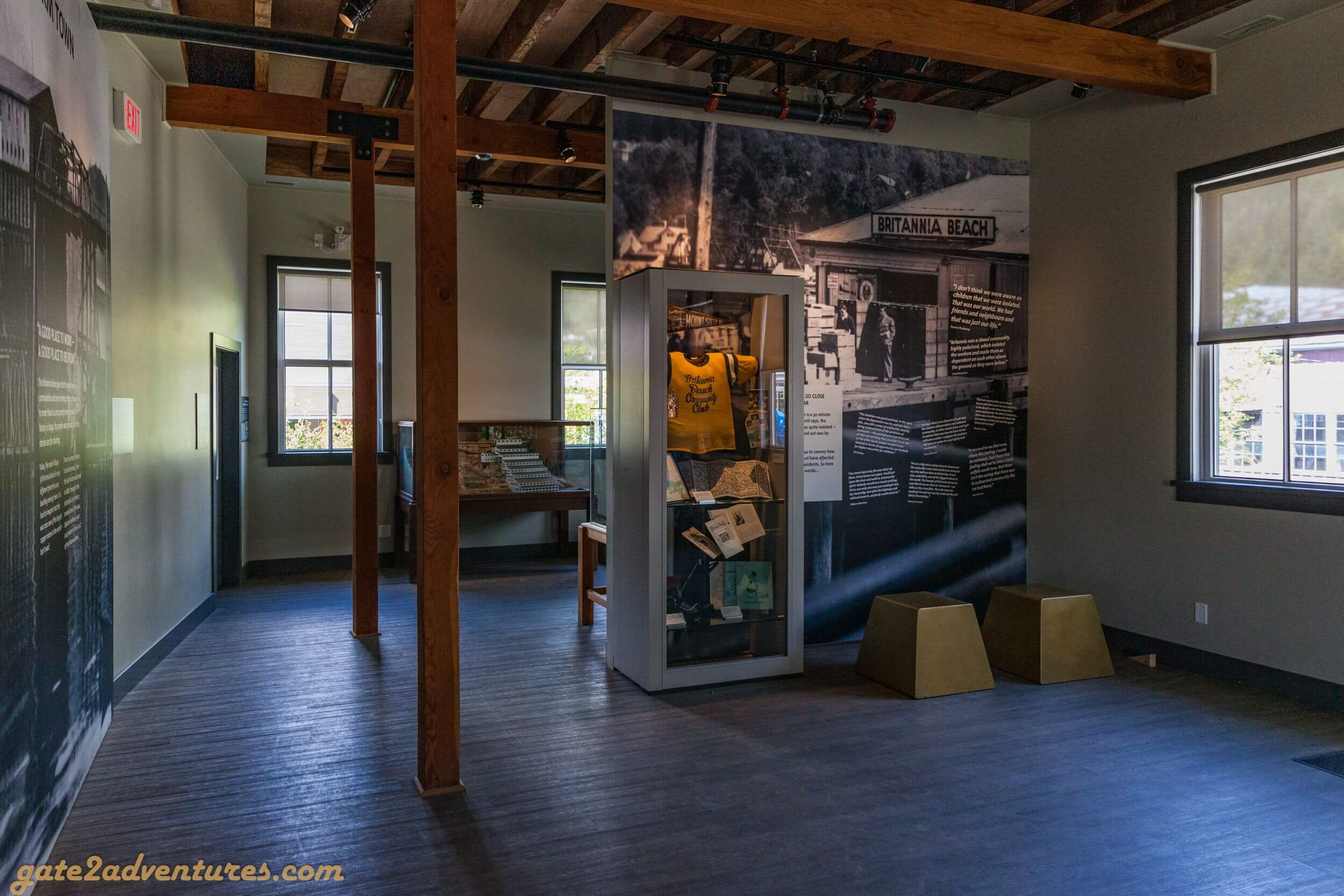
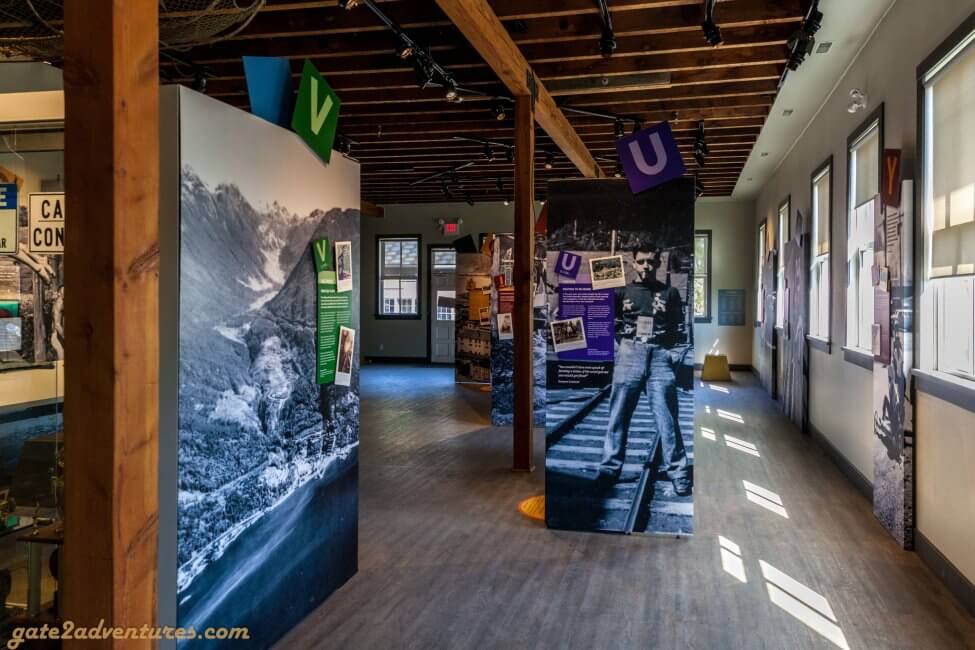
While you are waiting for your tour time, I would start to watch the movie about the history of the mine. The movie theatre is located right behind the main entrance. Watch the short movie, which gives you a lot of information about history and life in and around the mine. While exiting the theatre, look at the mining exhibits in the building along your way out. Inside the building, you also find a mineral gallery and the Canadian Mining Hall of Fame where you can learn about Canadian mining pioneers. Did you know what pieces of your everyday life have copper inside them? A few examples are shown inside the visitor center. This is the same building which also houses the ticket window and the gift shop.

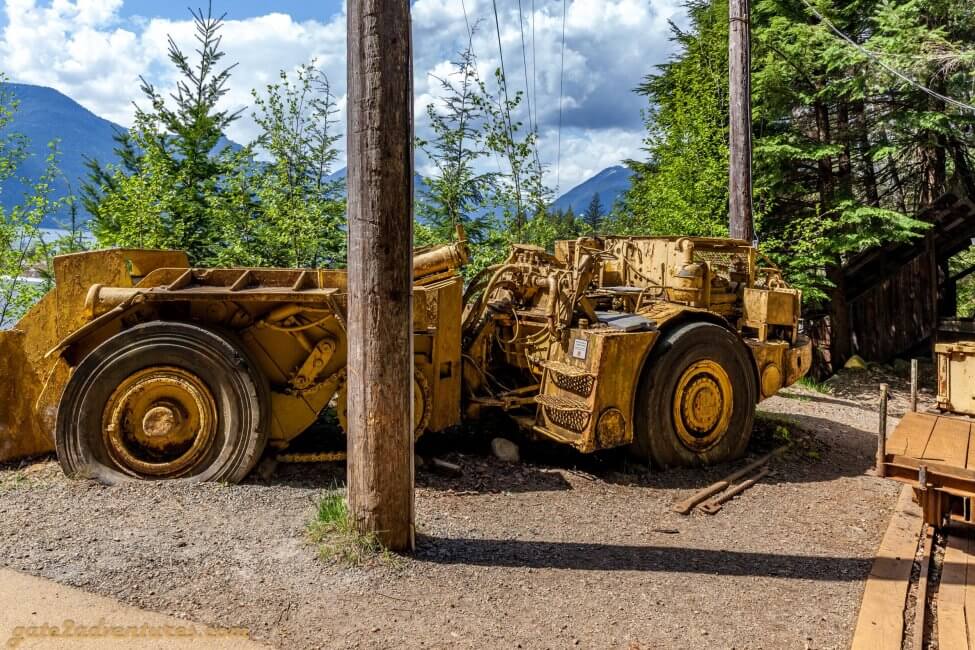
The Giant Haul Truck
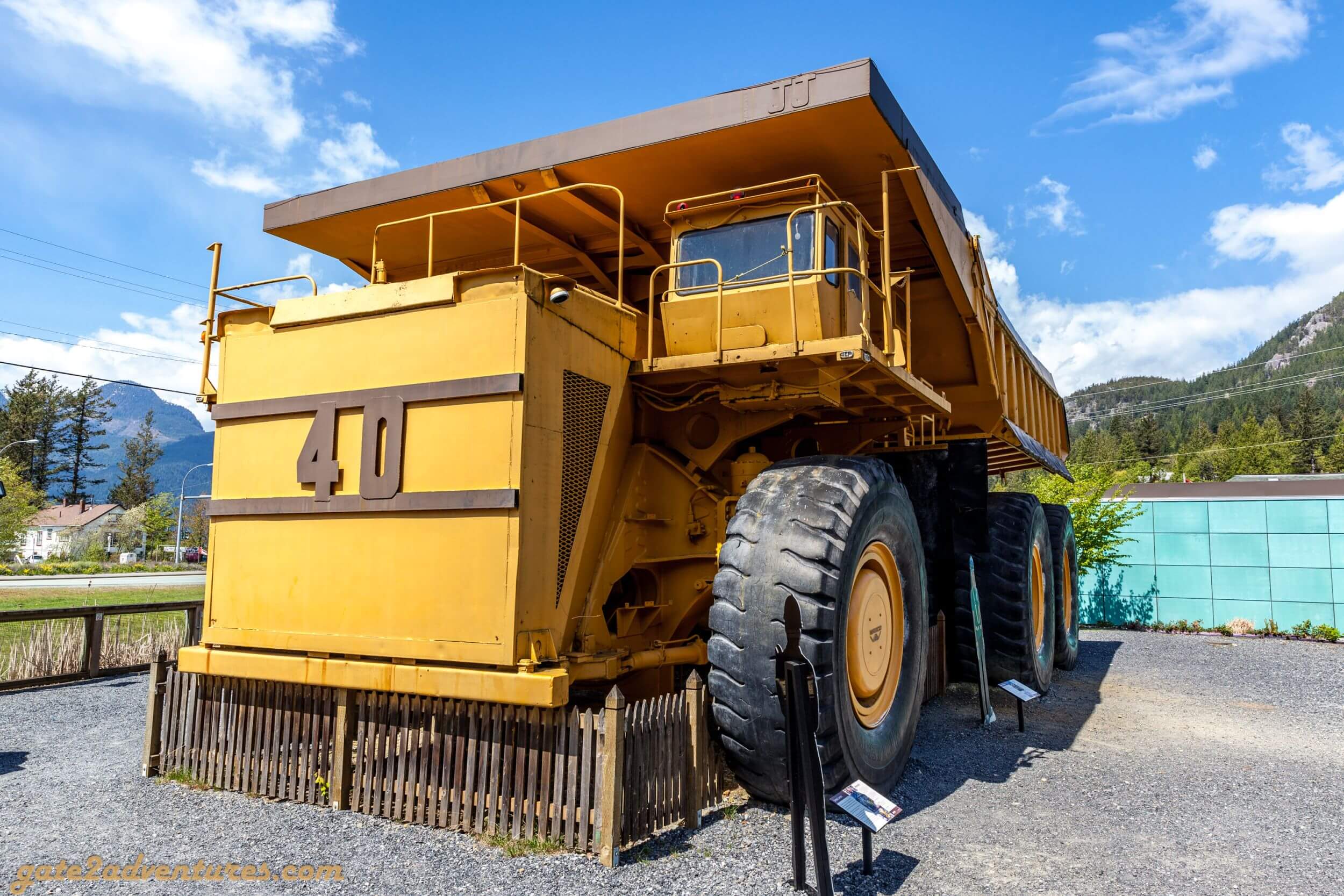
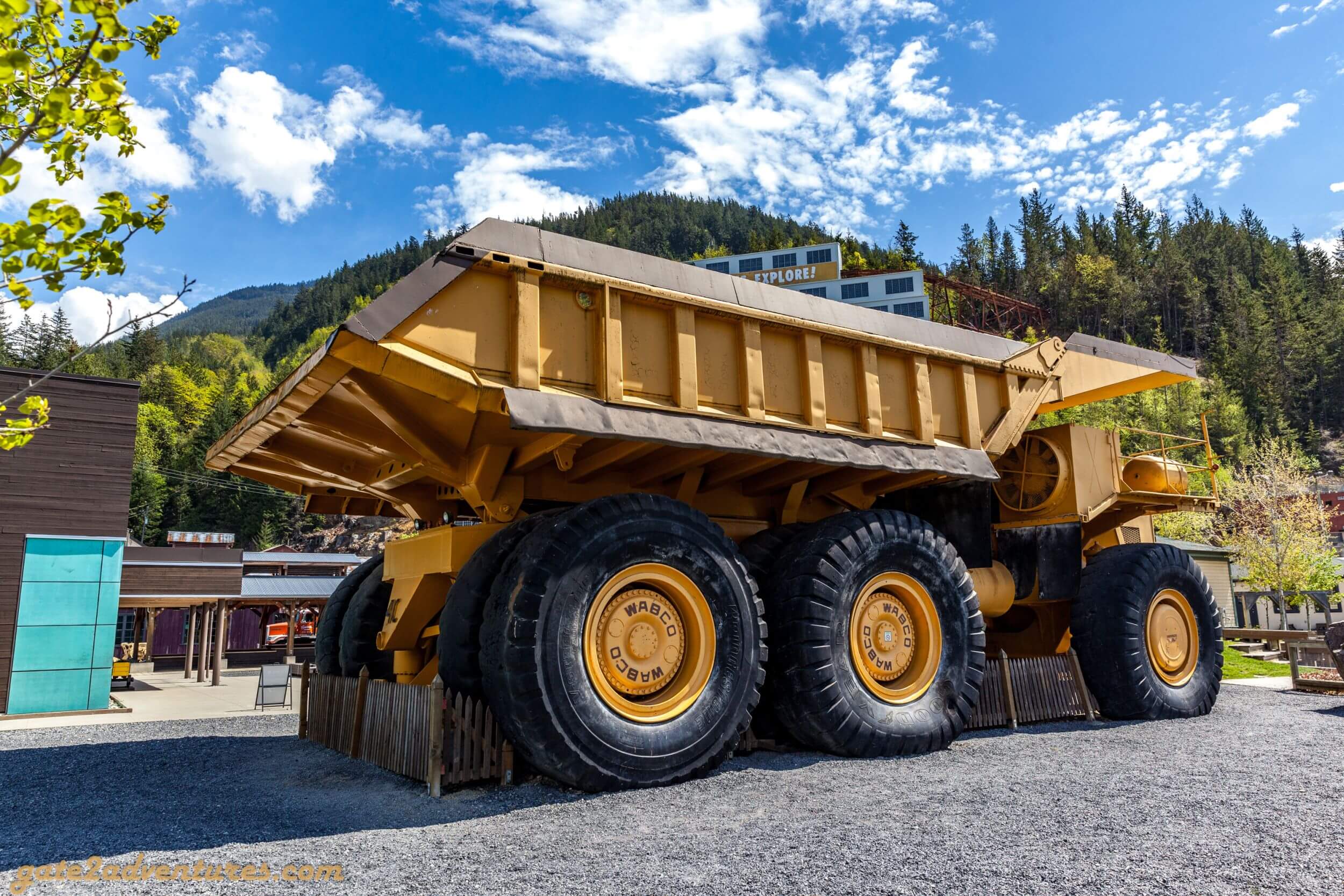
You can’t miss this exhibit. It’s visible from the road while passing by and once on the museum grounds, you can’t really get past this one without noticing it. This gigantic Wabco 3200B haul truck weighs over 800,000 lbs and is more than 20 feet tall. A great place for a photo opp.

The A-Z Administration Building
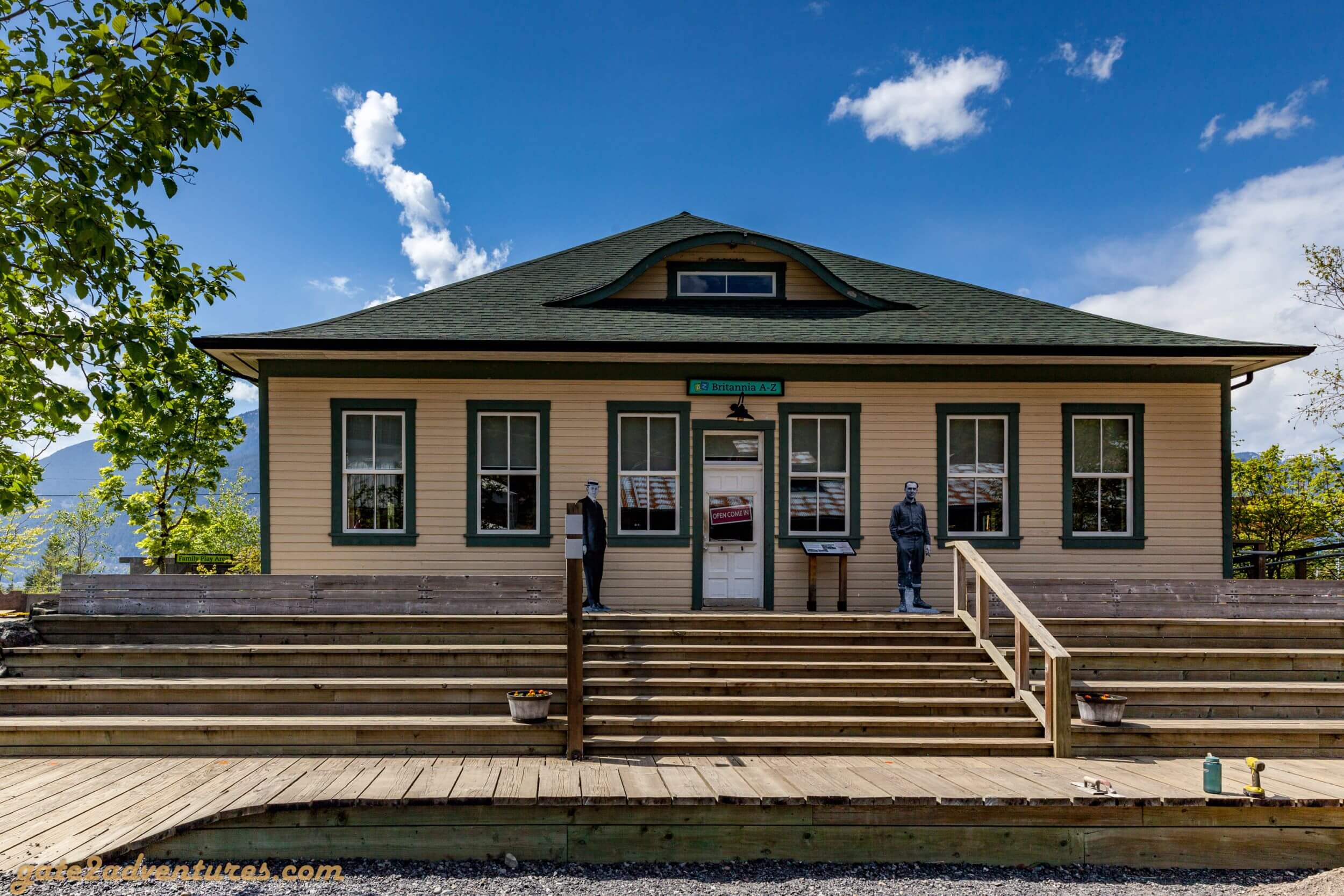
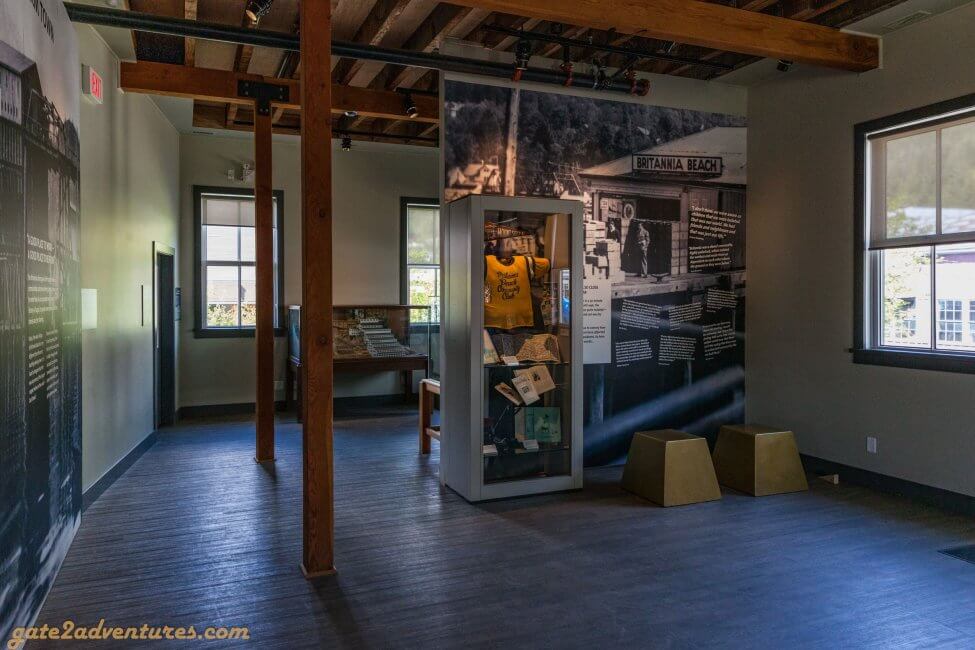
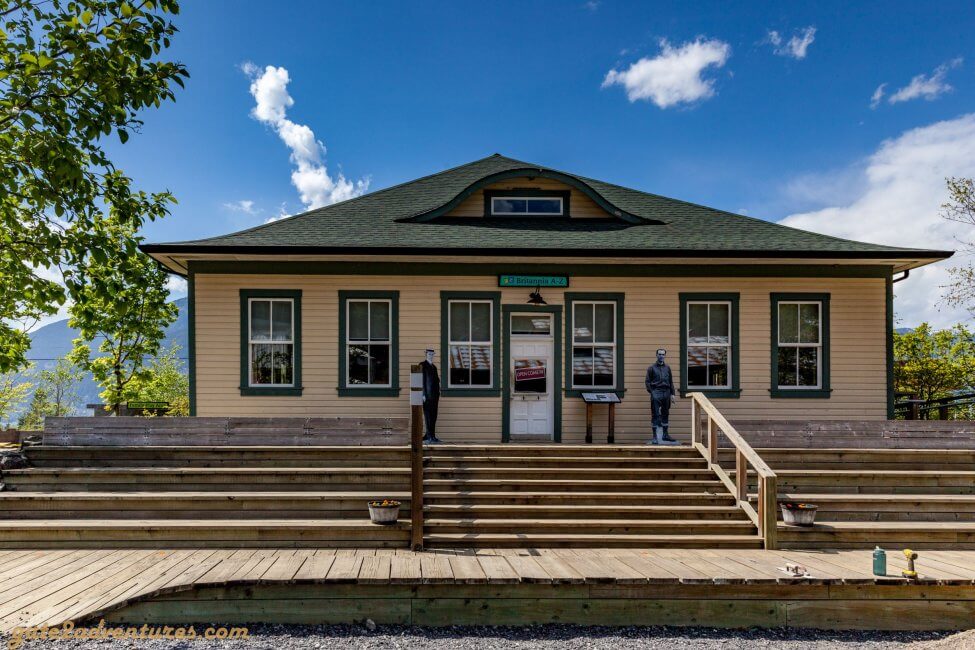
This is a fully restored heritage building that showcases how life in the Britannia Beach community was back then during the 70 years of a booming mining town.

Family Play Area
Next, to the haul truck and snack bar, kids can enjoy this mining-themed play area.
Machine Shop
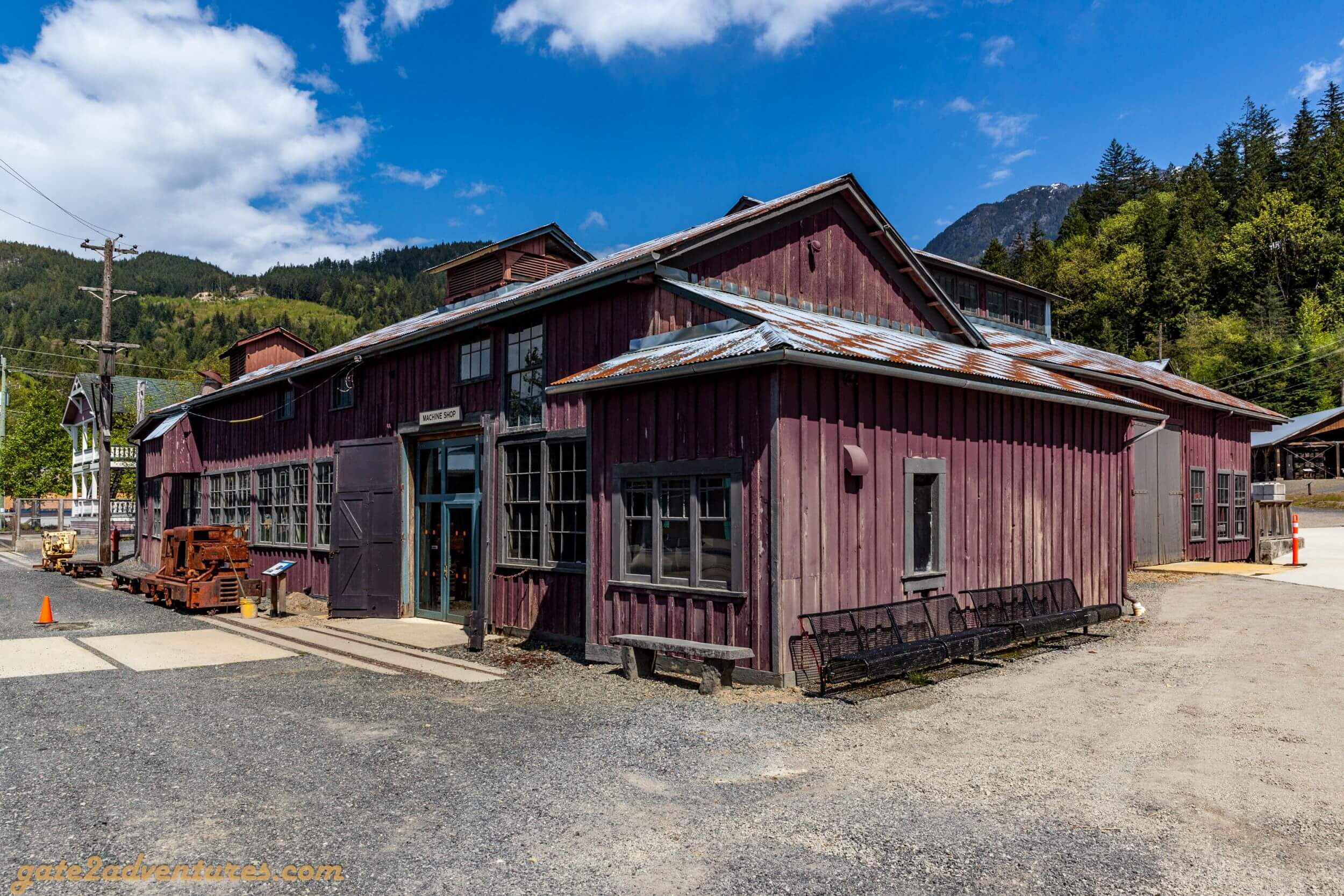
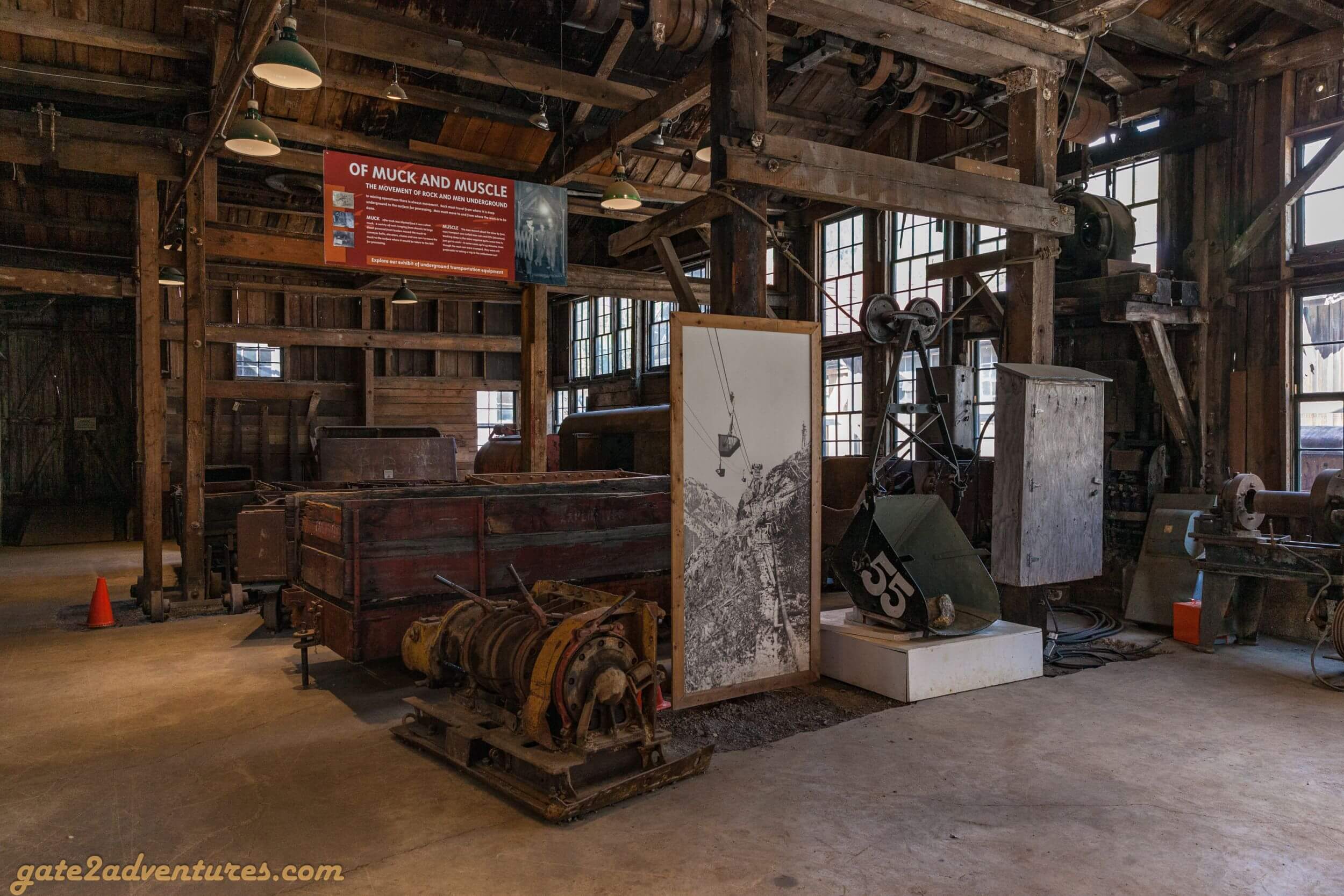
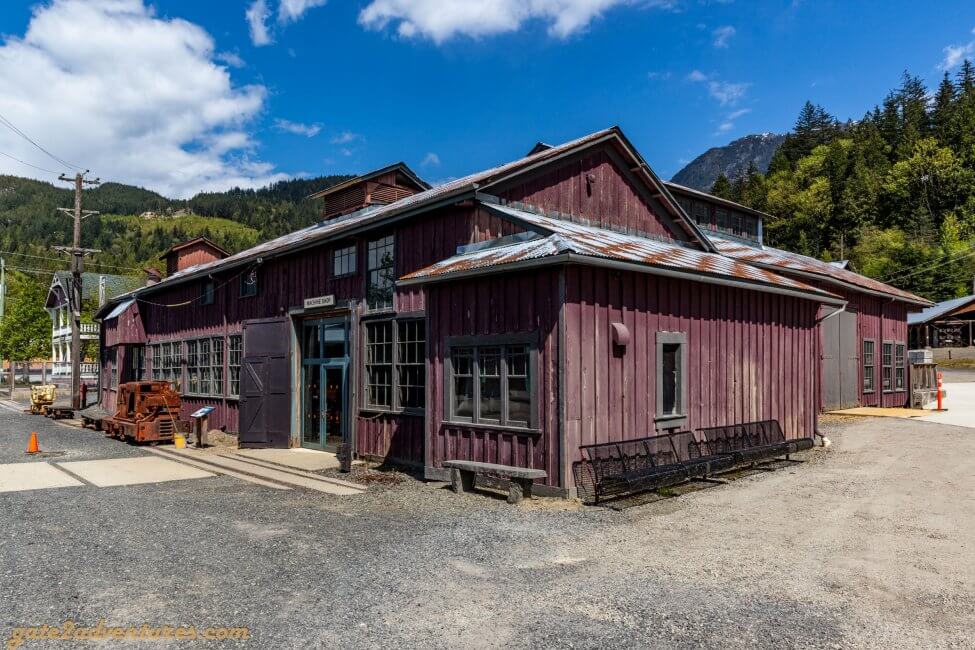
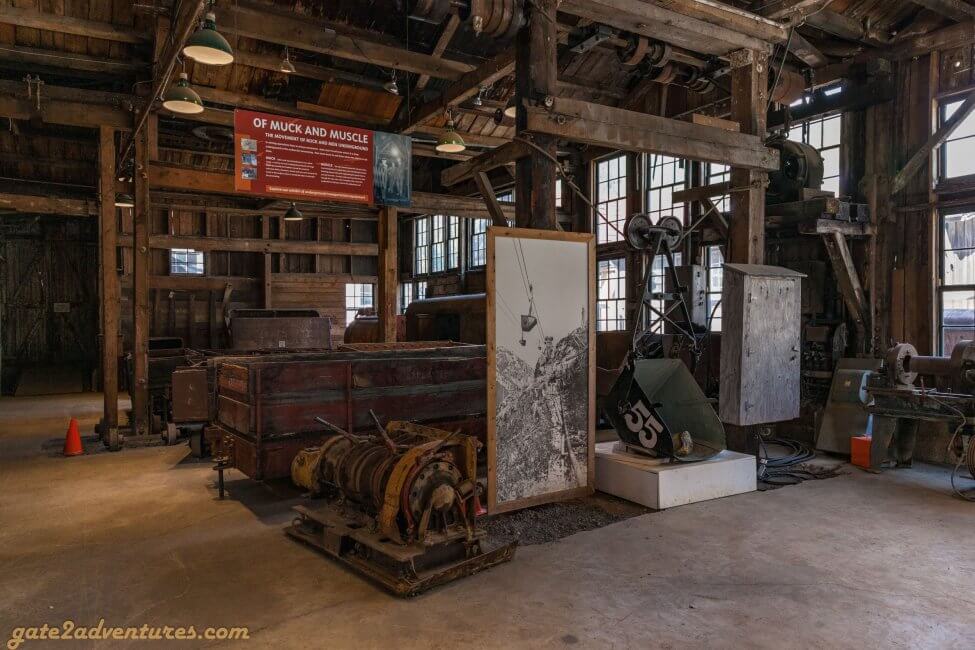
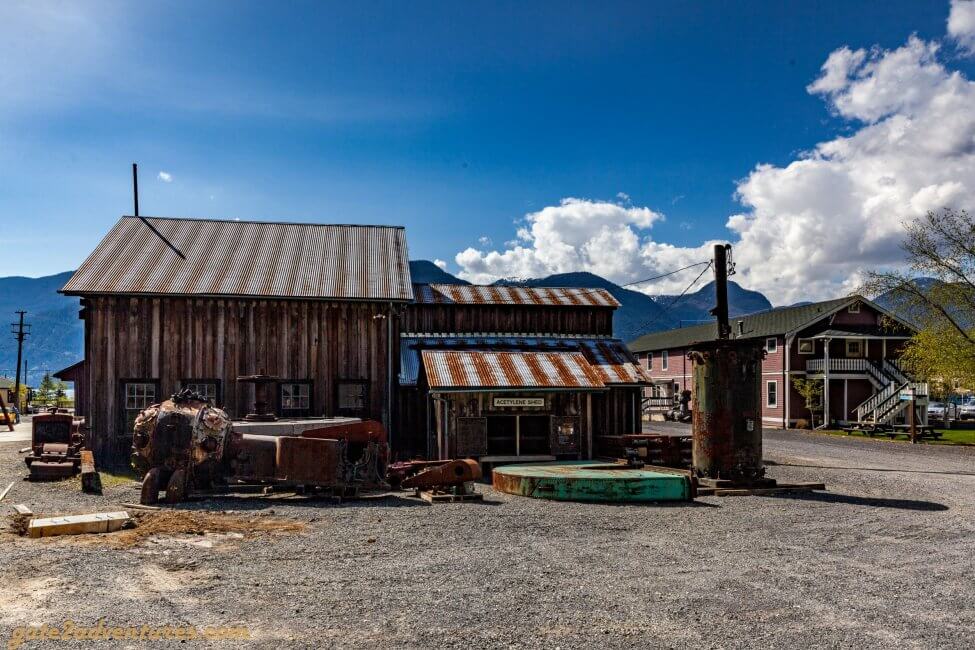
This historic machine shop was built in 1908 and is now home to a number of historic pieces of equipment and machines.

Core Sheds
This shed houses core samples drilled from the mountainside. Core samples helped to determine in which direction to drive tunnels inside the mine to find more ore and minerals. All these samples give you a “map” of the interior of the mountain. The core shed is part of the guided tour.

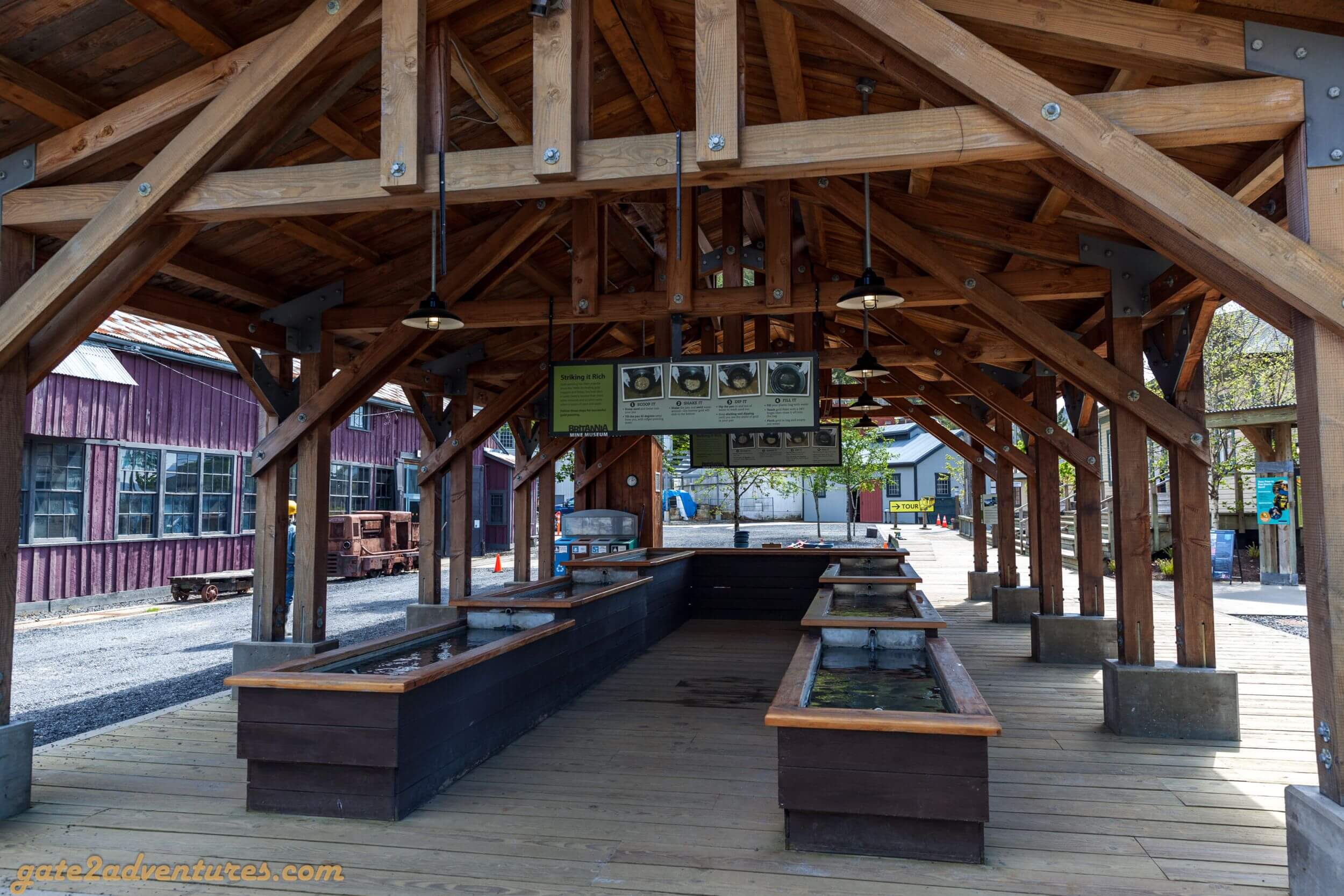
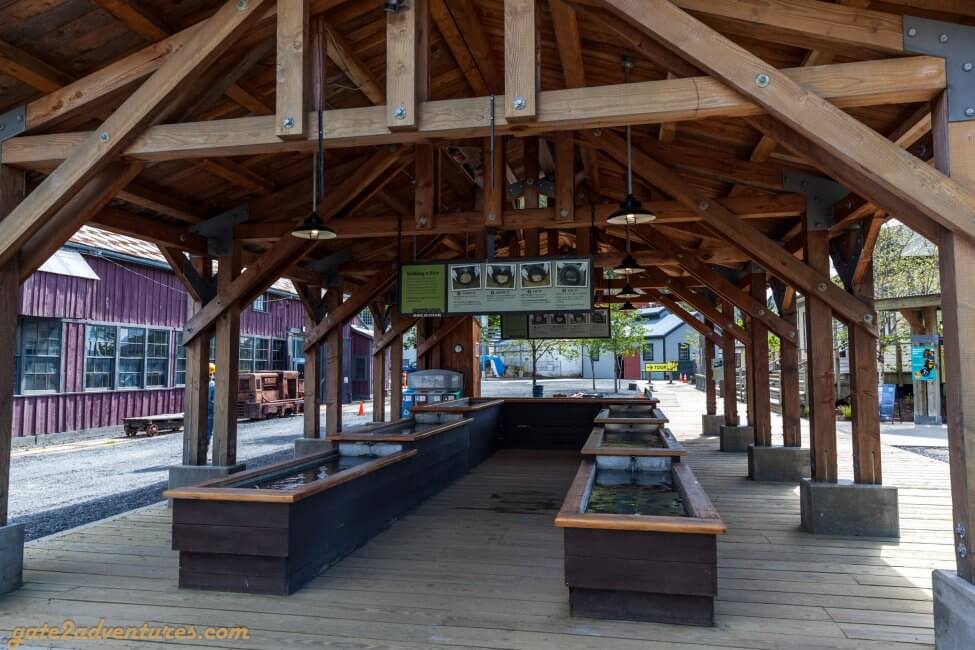
The Village Board Walk & Gold Panning Area
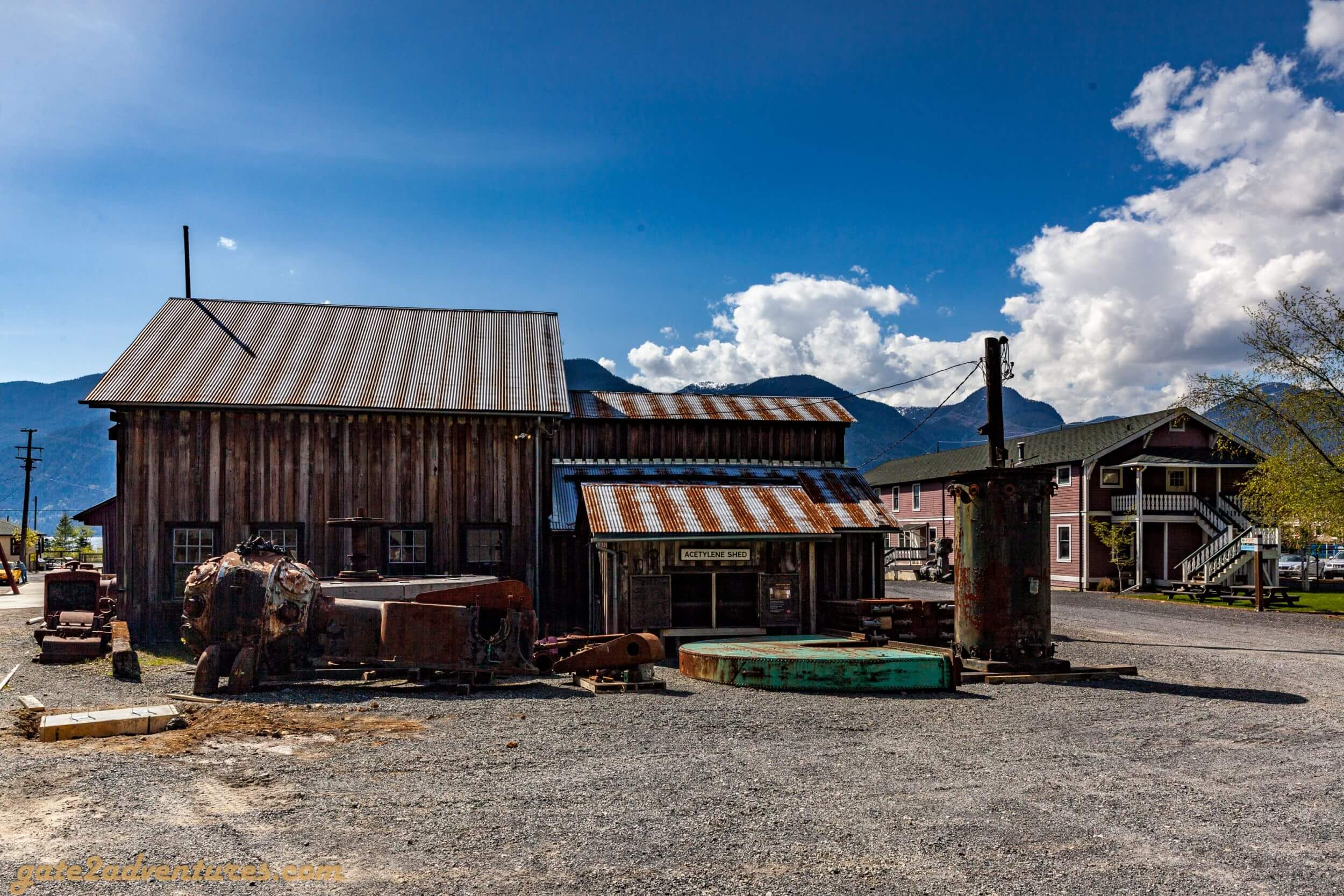
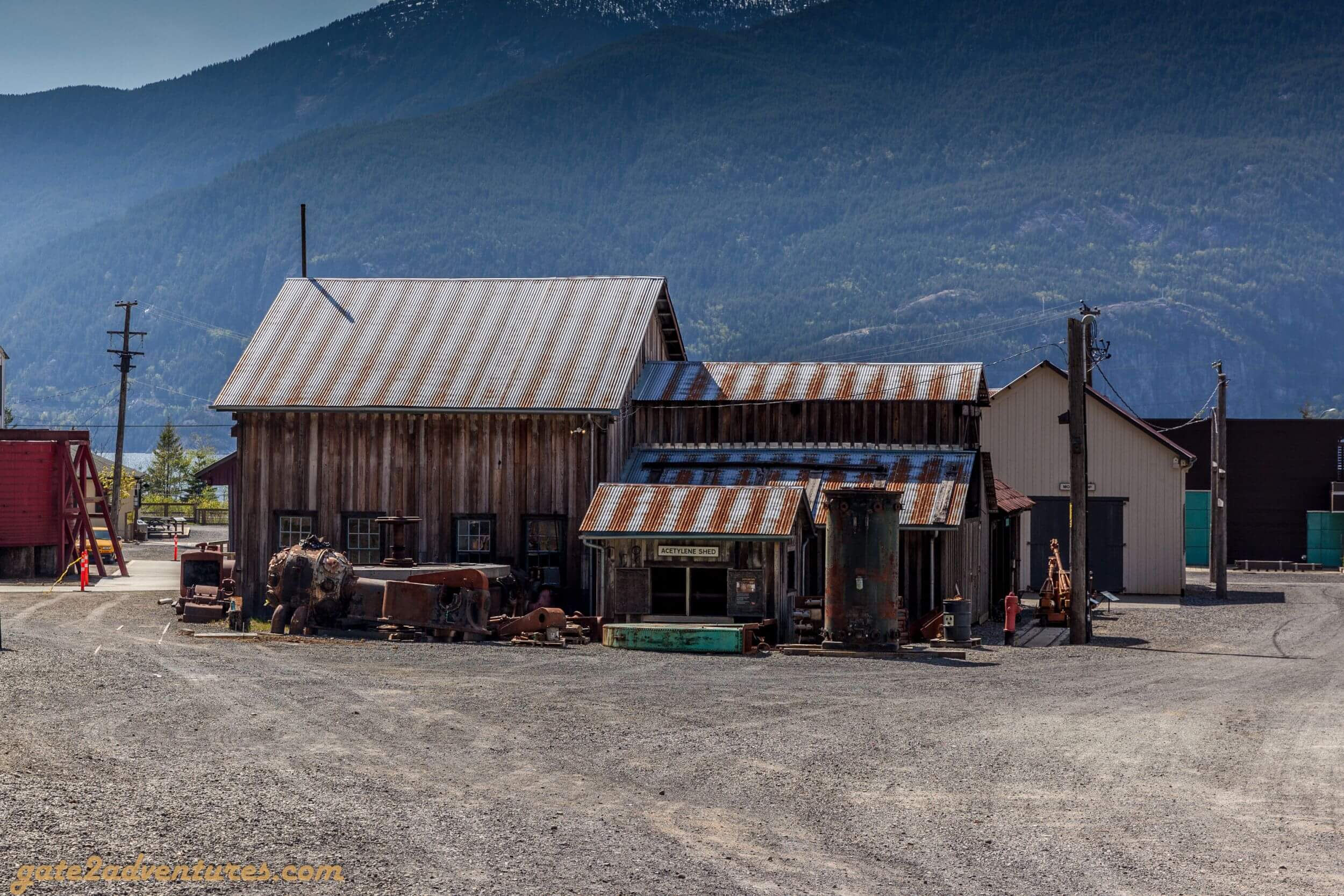
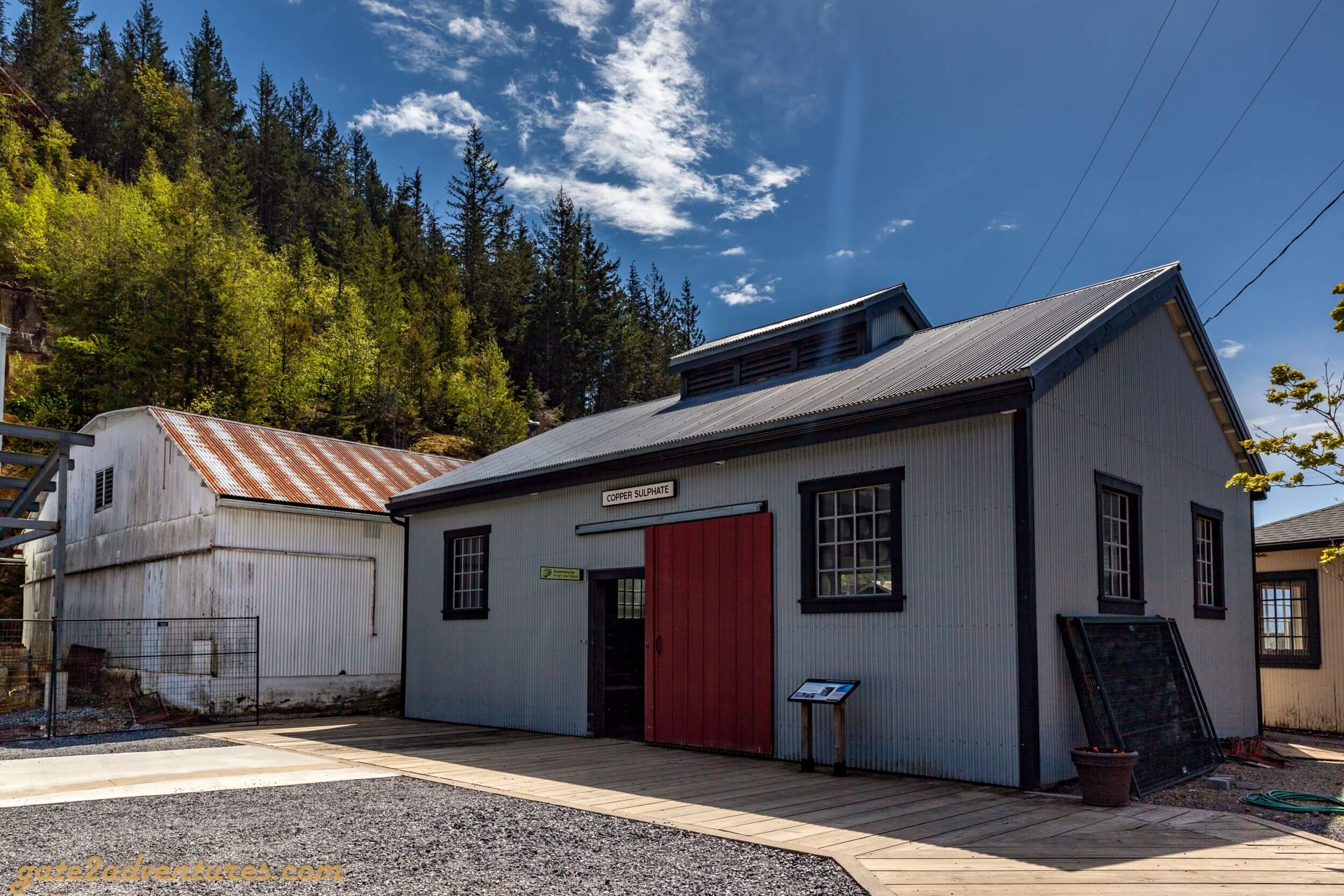
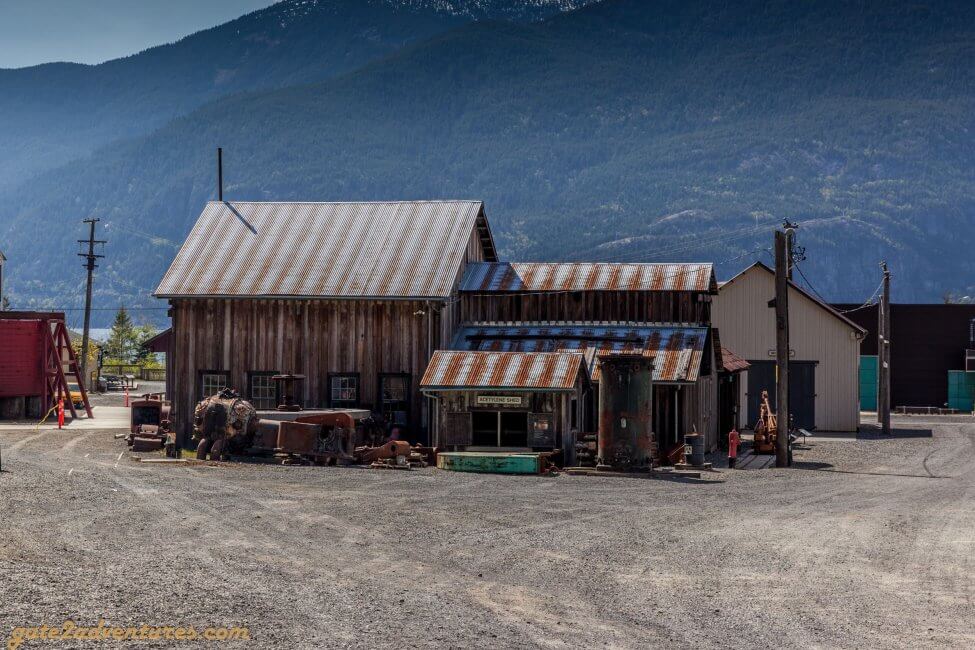
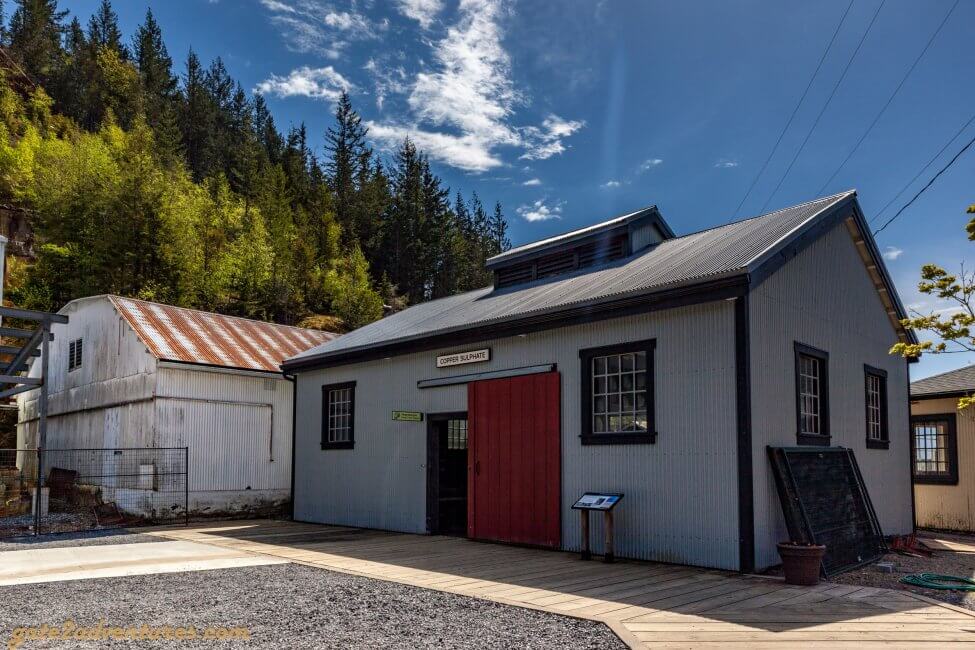
Stroll along the boardwalk to see more heritage buildings located on the premisses. There are seventeen historic buildings on this site which date way back when the mill was still in operation.
Once you are ready for it, try your own luck at the Gold Panning Area. Pan for real gold. Yes, there is gold in there, somewhere. You just have to find it. Now you know how people felt back then when they were desperate to find gold. It could be right underneath their fingertips but you won’t see it. Follow the instructions or ask a staff member how to pan for gold. It’s definitely fun and I got a bit addicted as I found my first “piece” of gold. But don’t put your life-savings to pan for gold here. You won’t get rich, but it is a nice souvenir to bring home if you find small pieces of gold or other interesting rocks.

Underground Tour
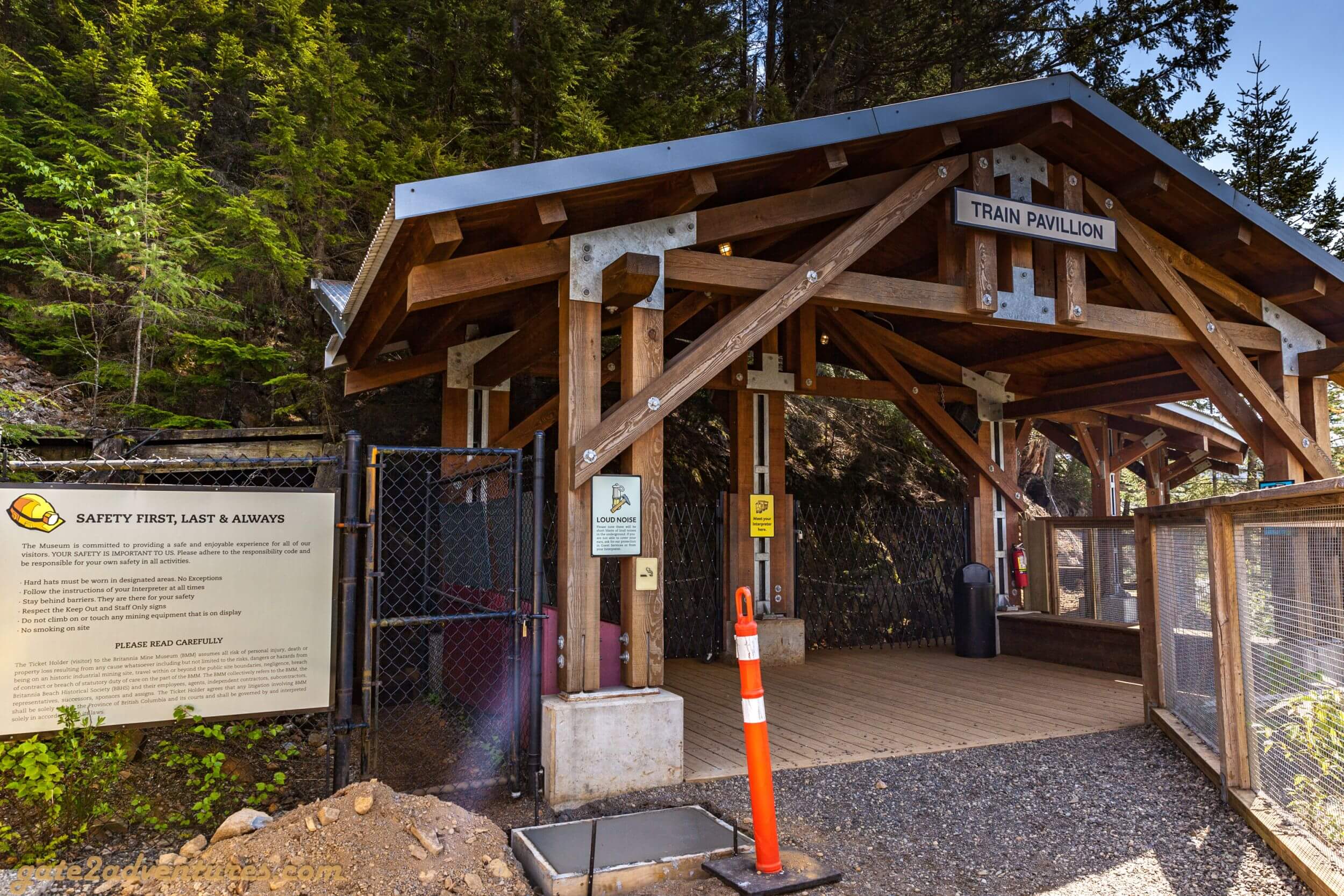
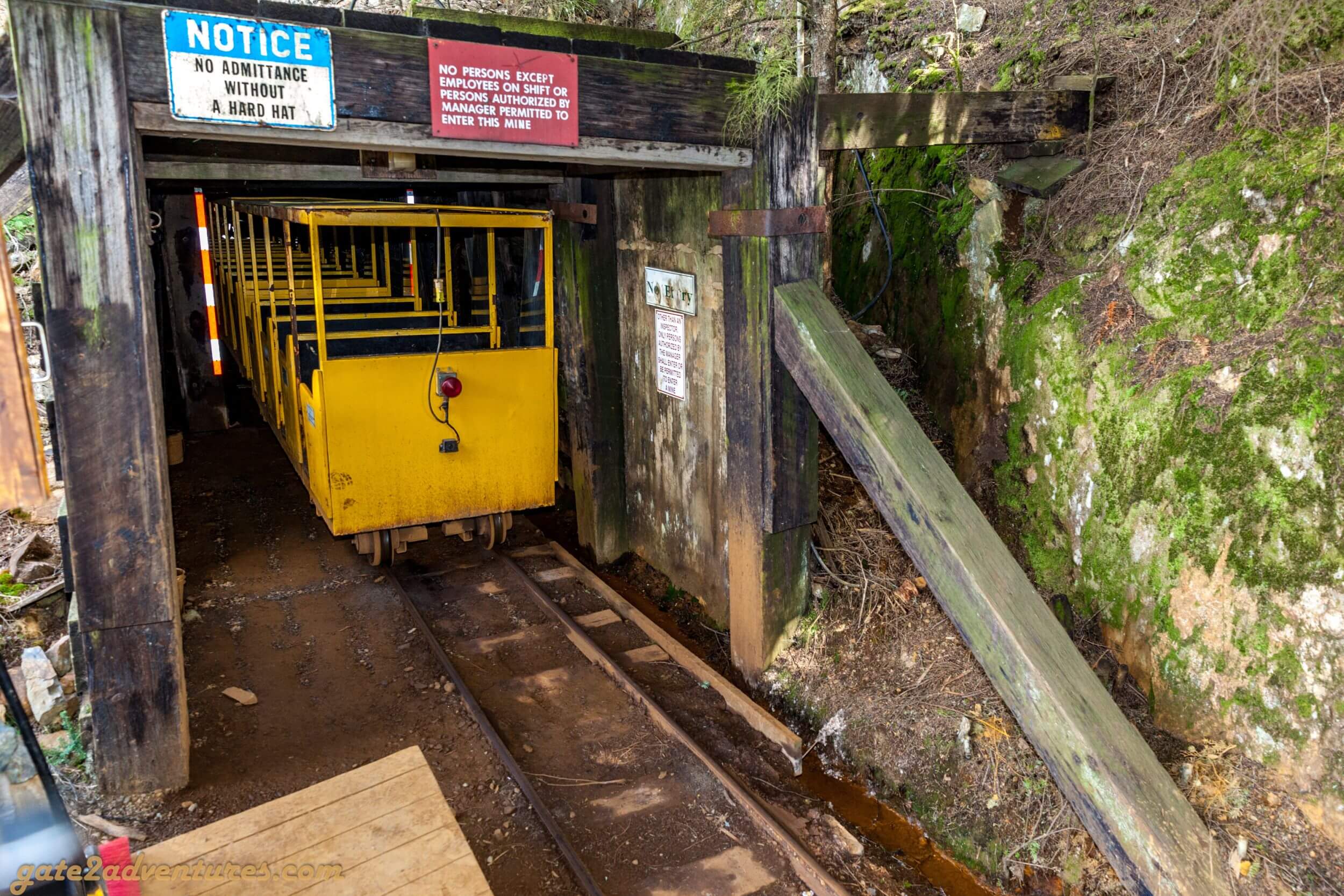
This is the highlight of your visit here. A remarkable experience like no other. You might have heard that before, but you are about to get on a historic train ride into the mountain and a fully immersive tour about what it was like to work underground. I made sure I was on time for my tour and was the first one to arrive up at the train pavilion. Just follow the signs throughout the grounds, which will point you to the train pavilion, which is the start point of the tour.
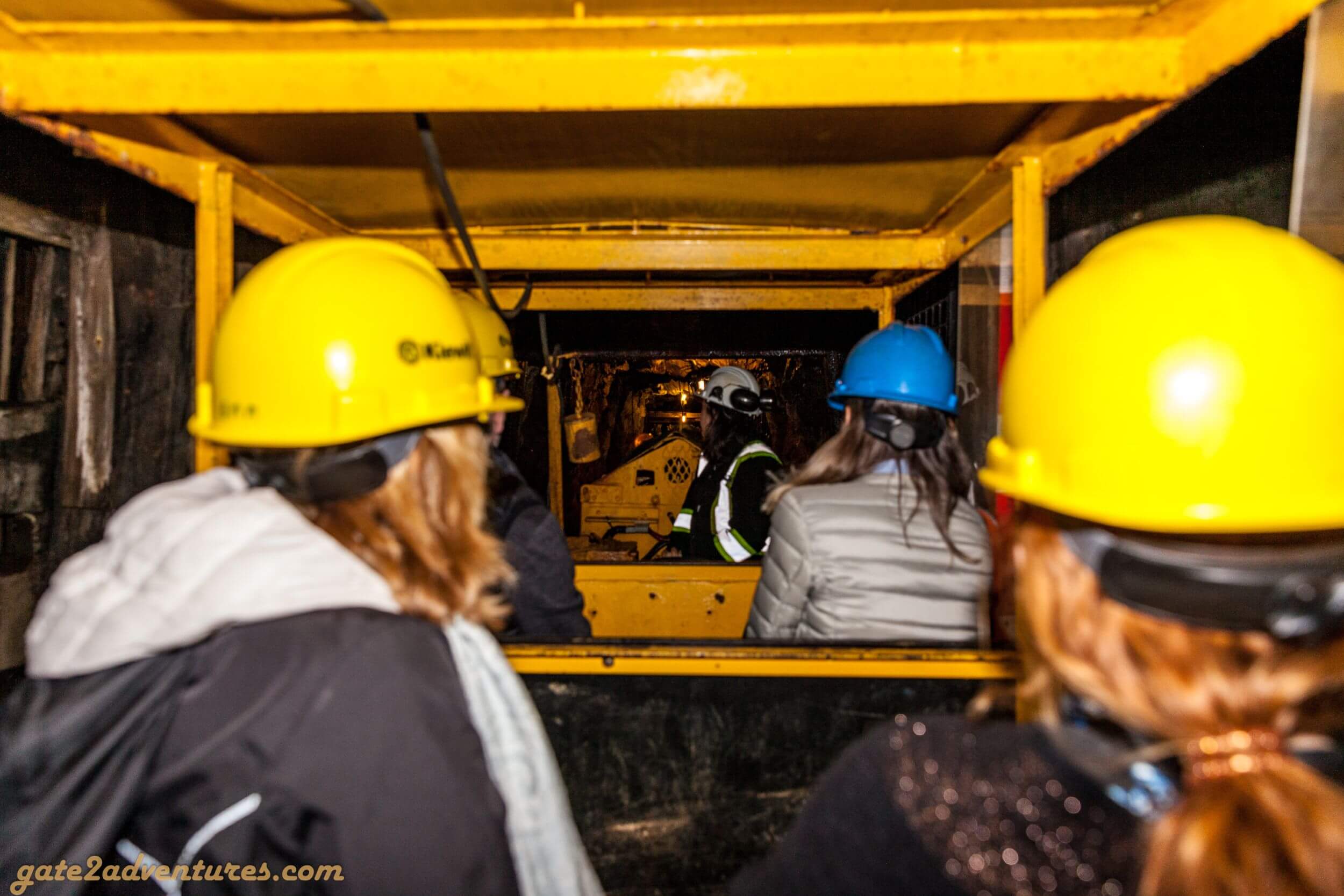
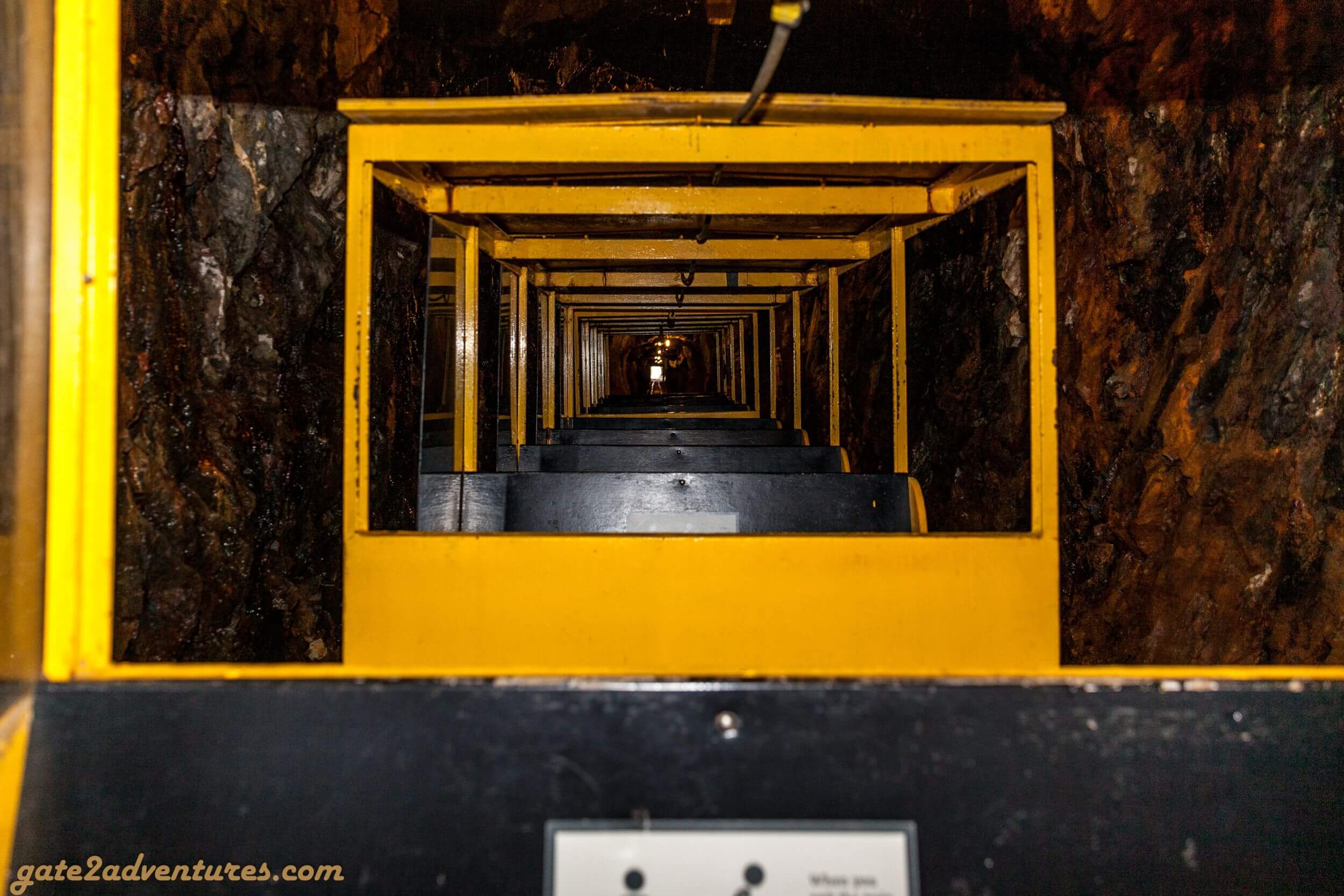
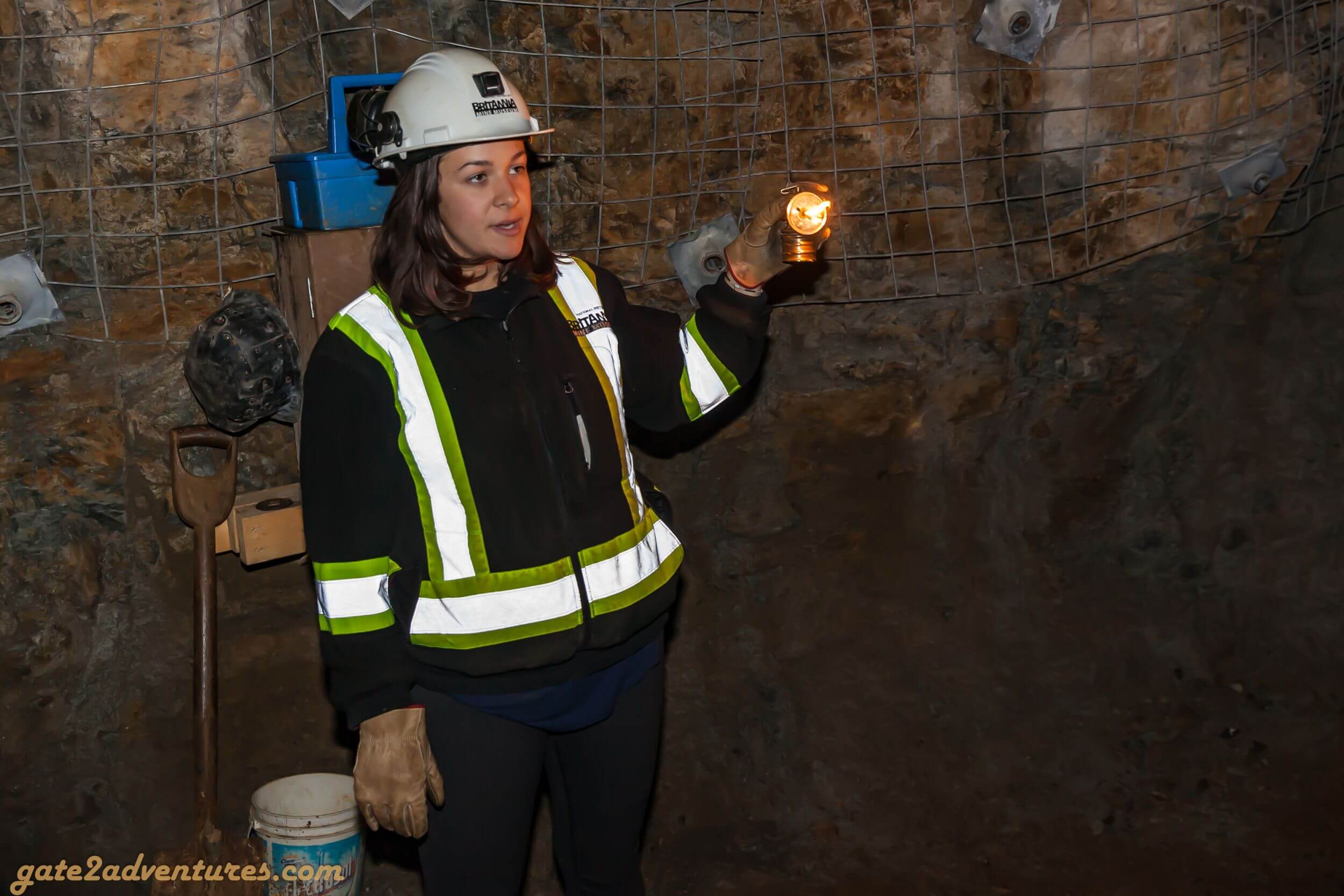
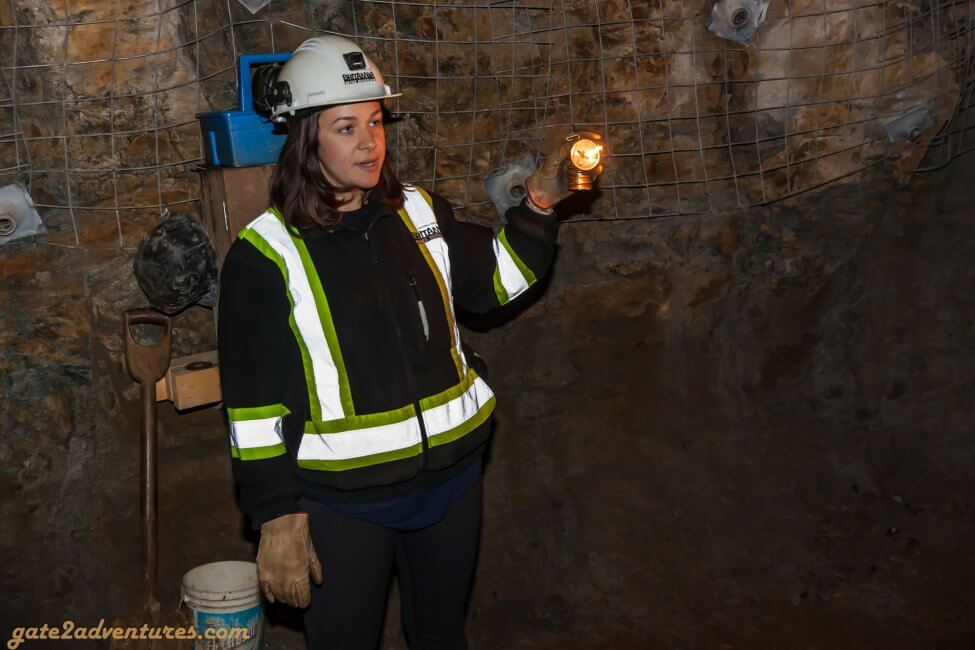
While I was waiting for the tour to start, a friend of mine and I were the only people there. Just a few minutes before the tour time, another group joined us waiting for the start of the tour. While we were waiting, all of a sudden we could hear a noise coming out of the tunnel, it was the mining train arriving at the pavilion and out tour guide stepped out of the train and welcomed us. Hillary was our guide for the next 45 minutes. She introduced herself and gave us a safety briefing. We all were required to wear hardhats while on the train and in the mine. As we were all geared up, we hopped aboard the train. This is the same train, workers used to get to their workplace inside one of the many tunnels of the mine.

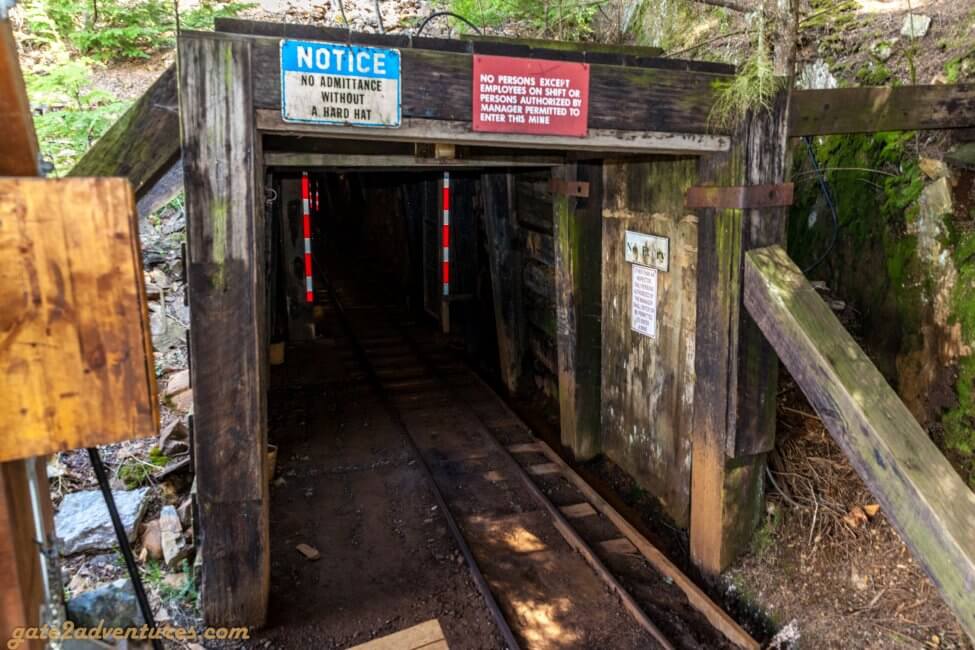
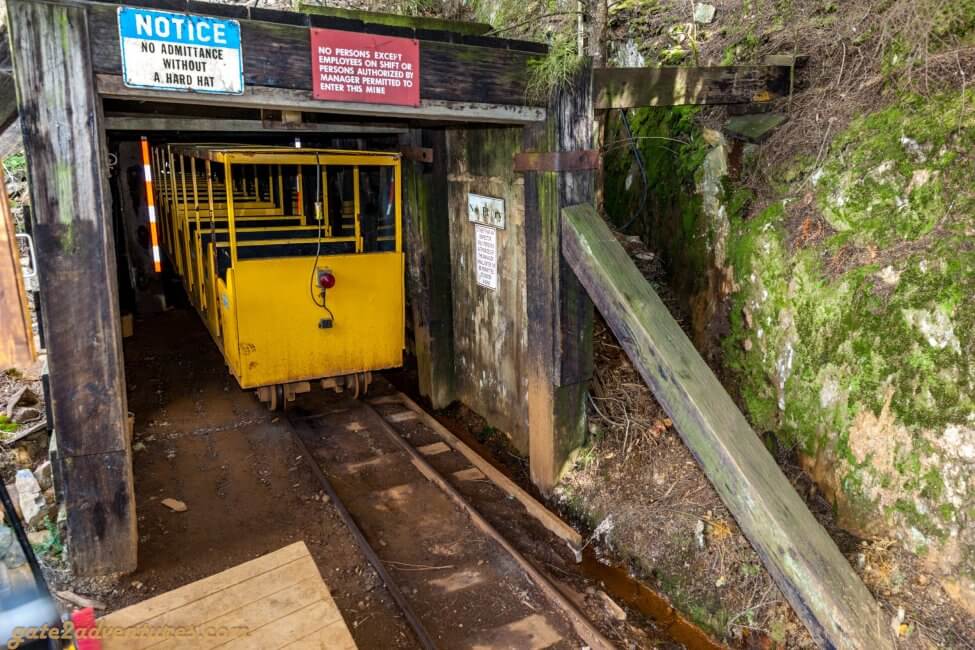
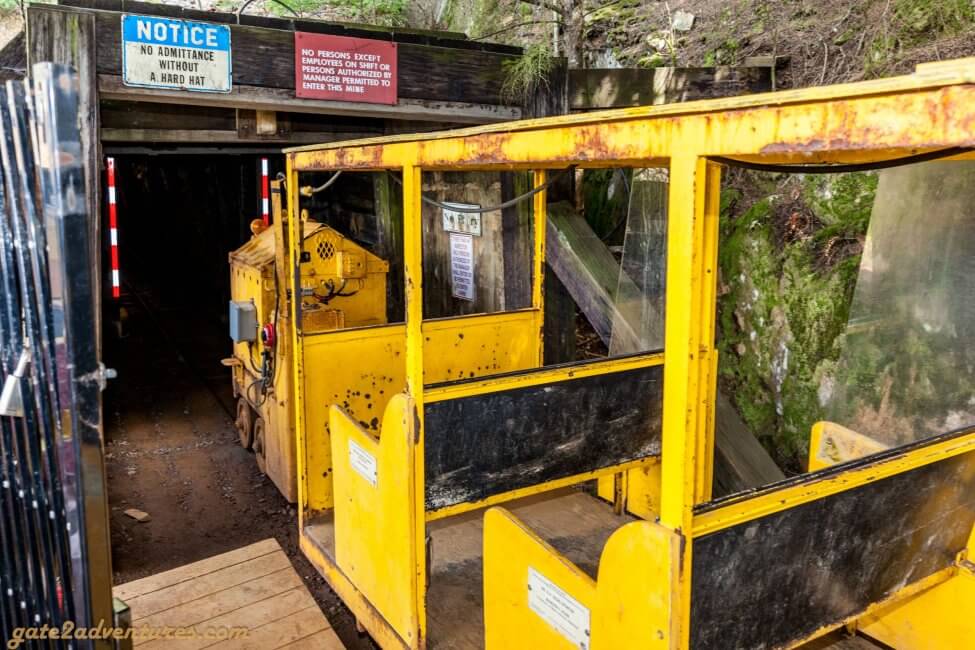
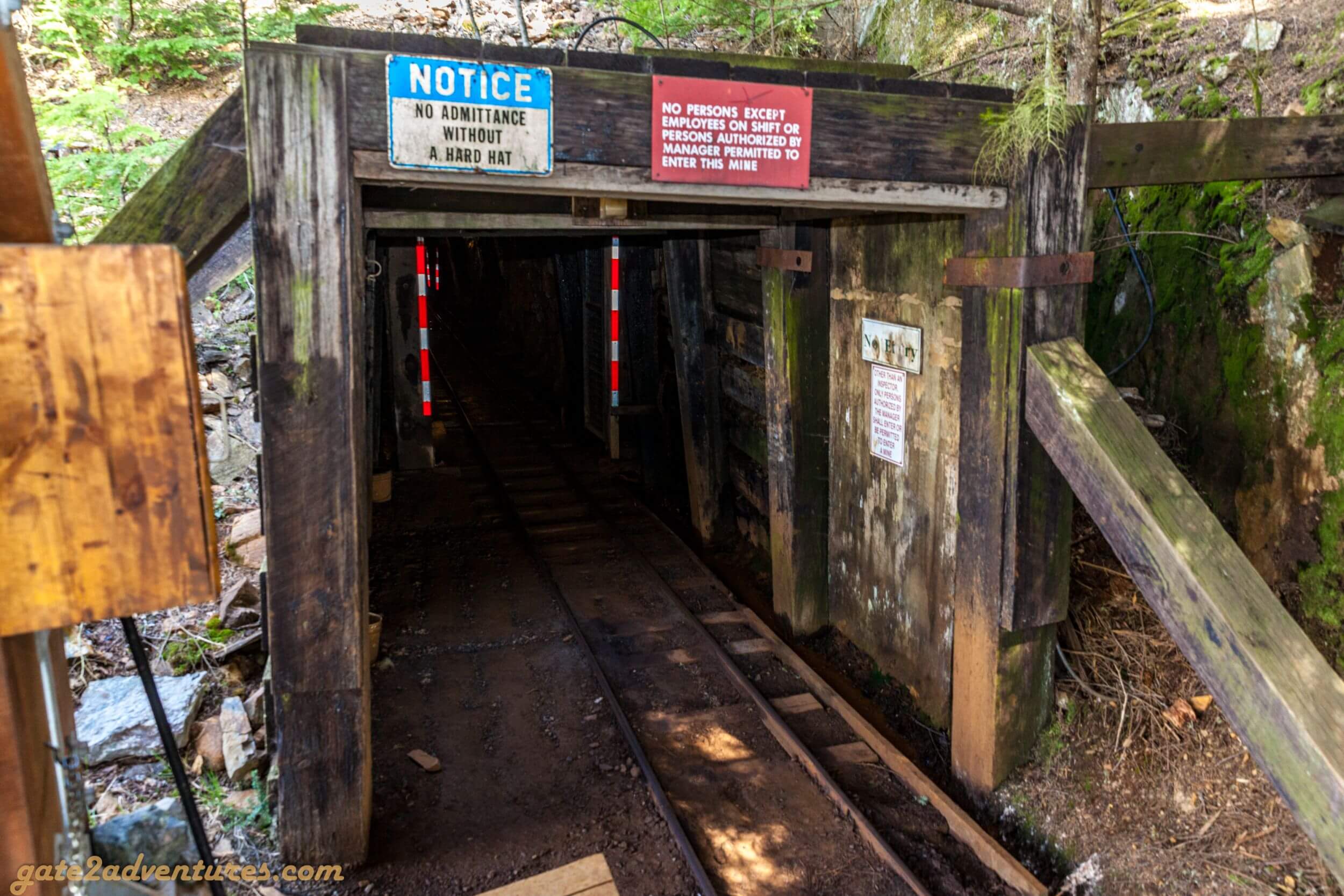
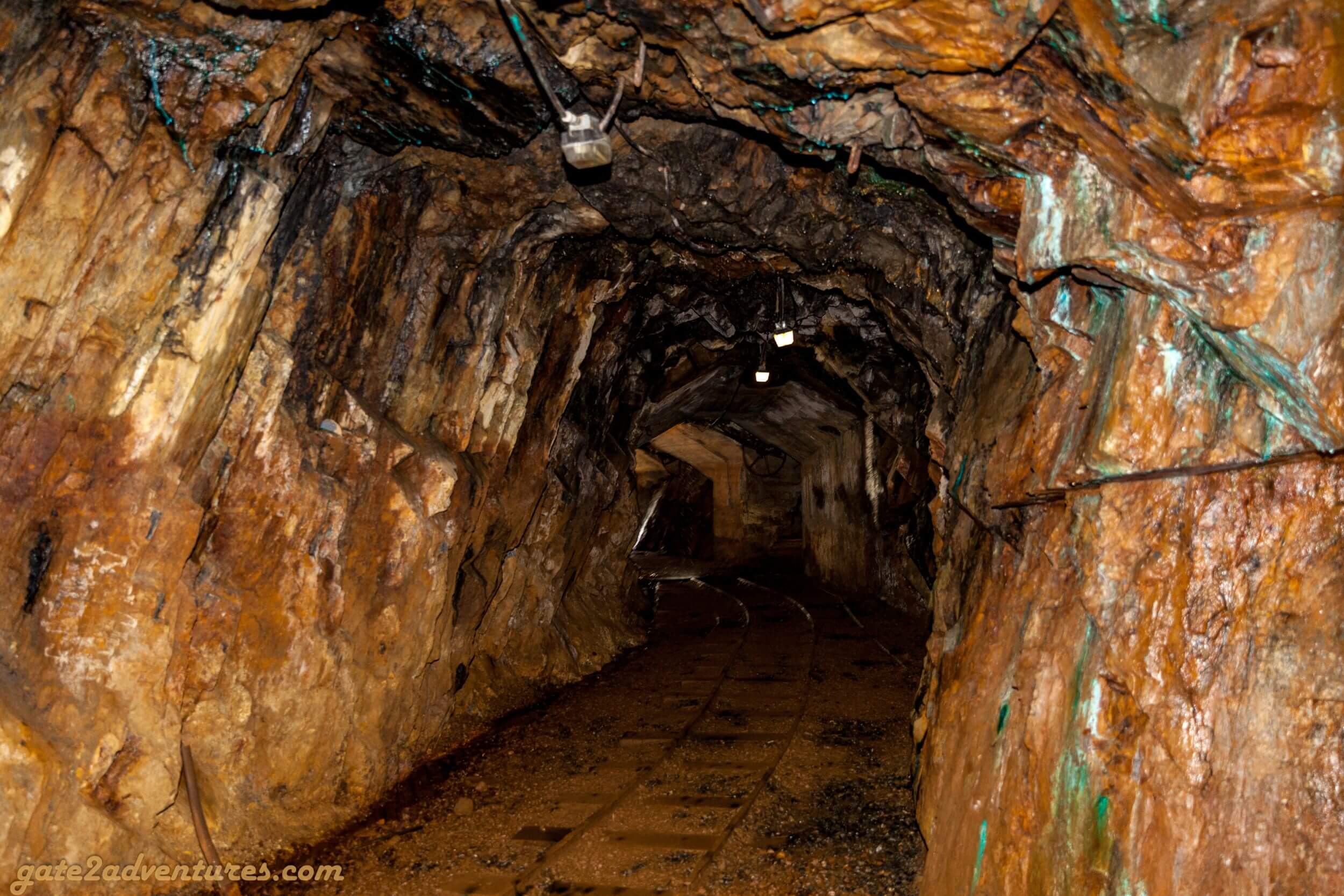
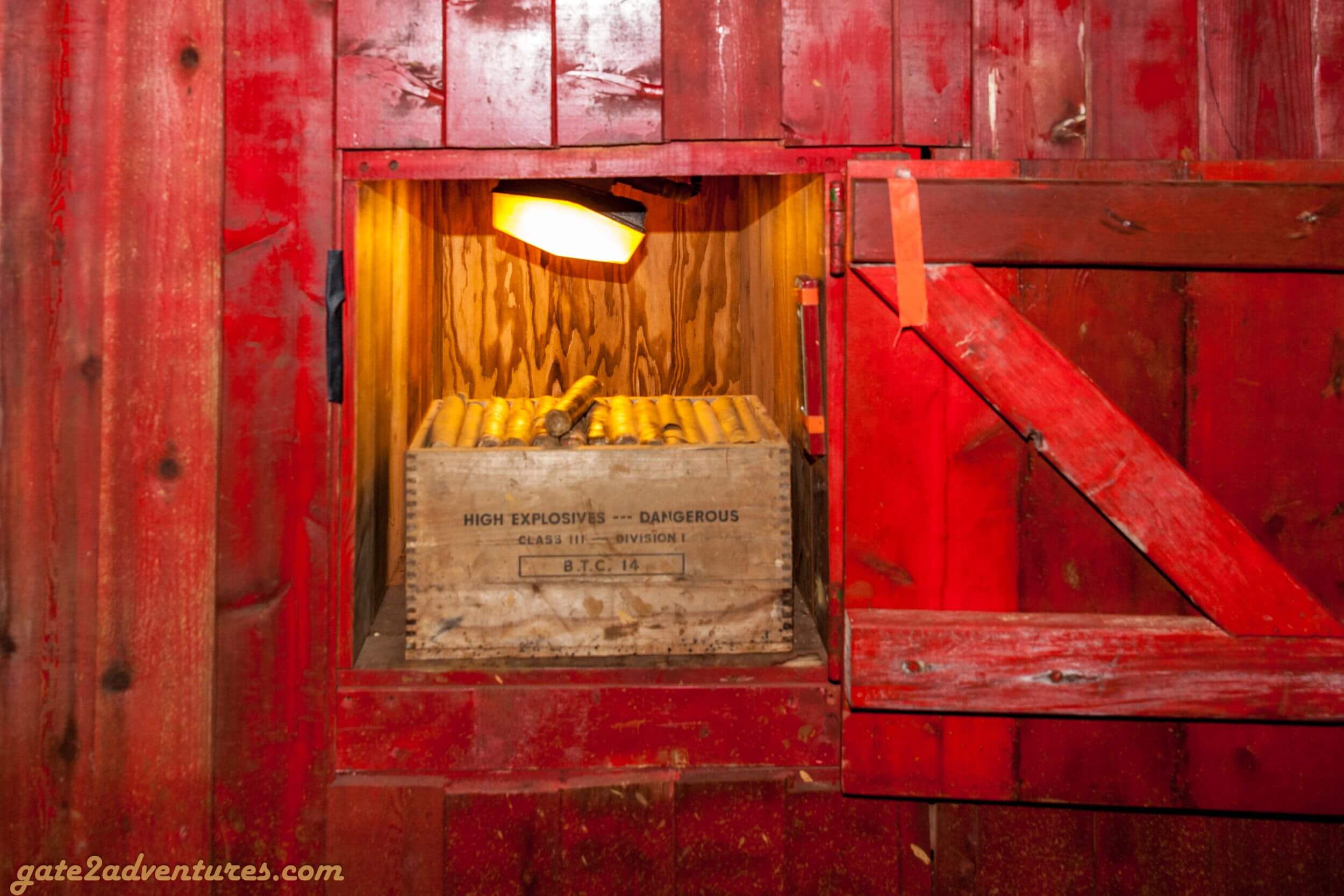
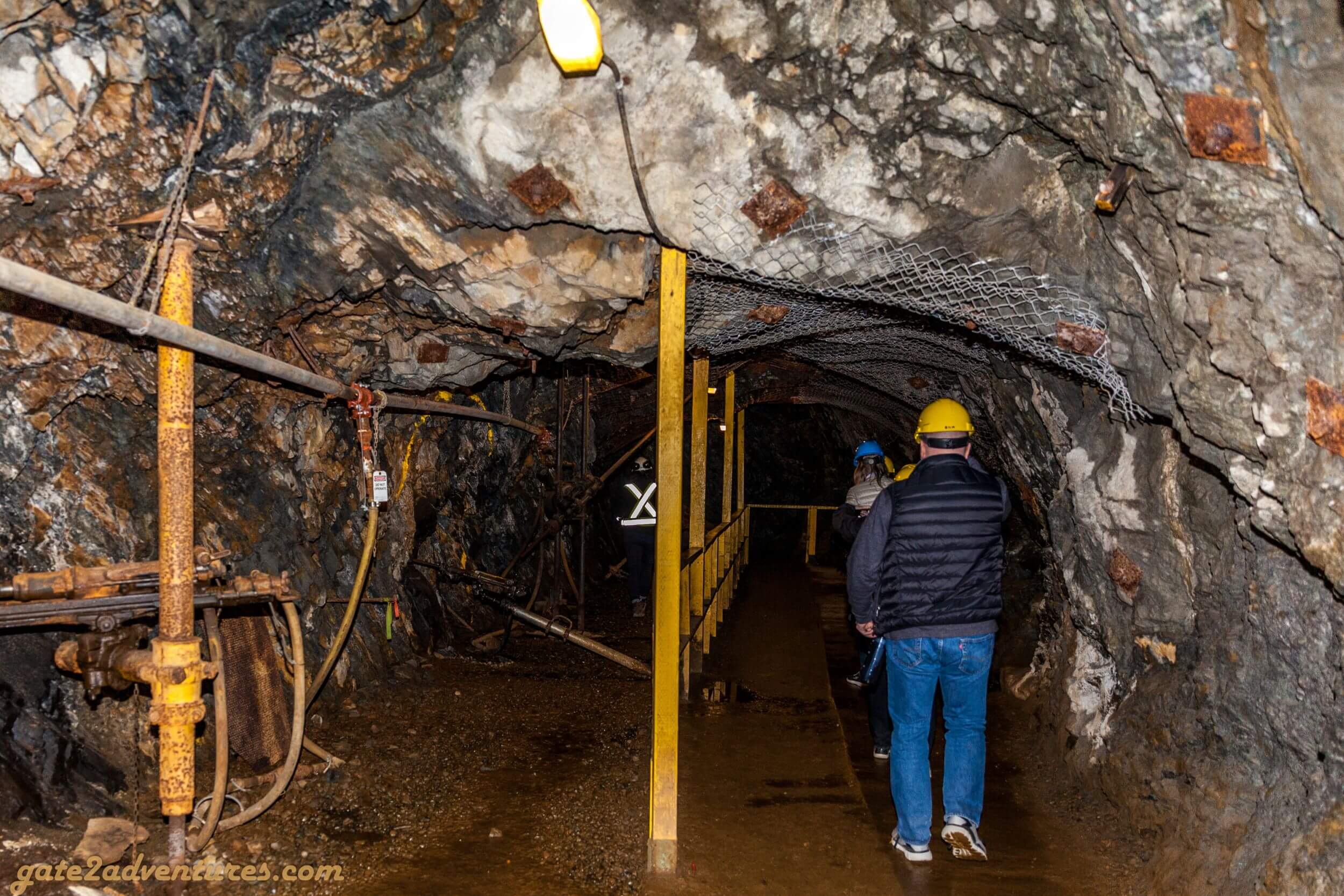
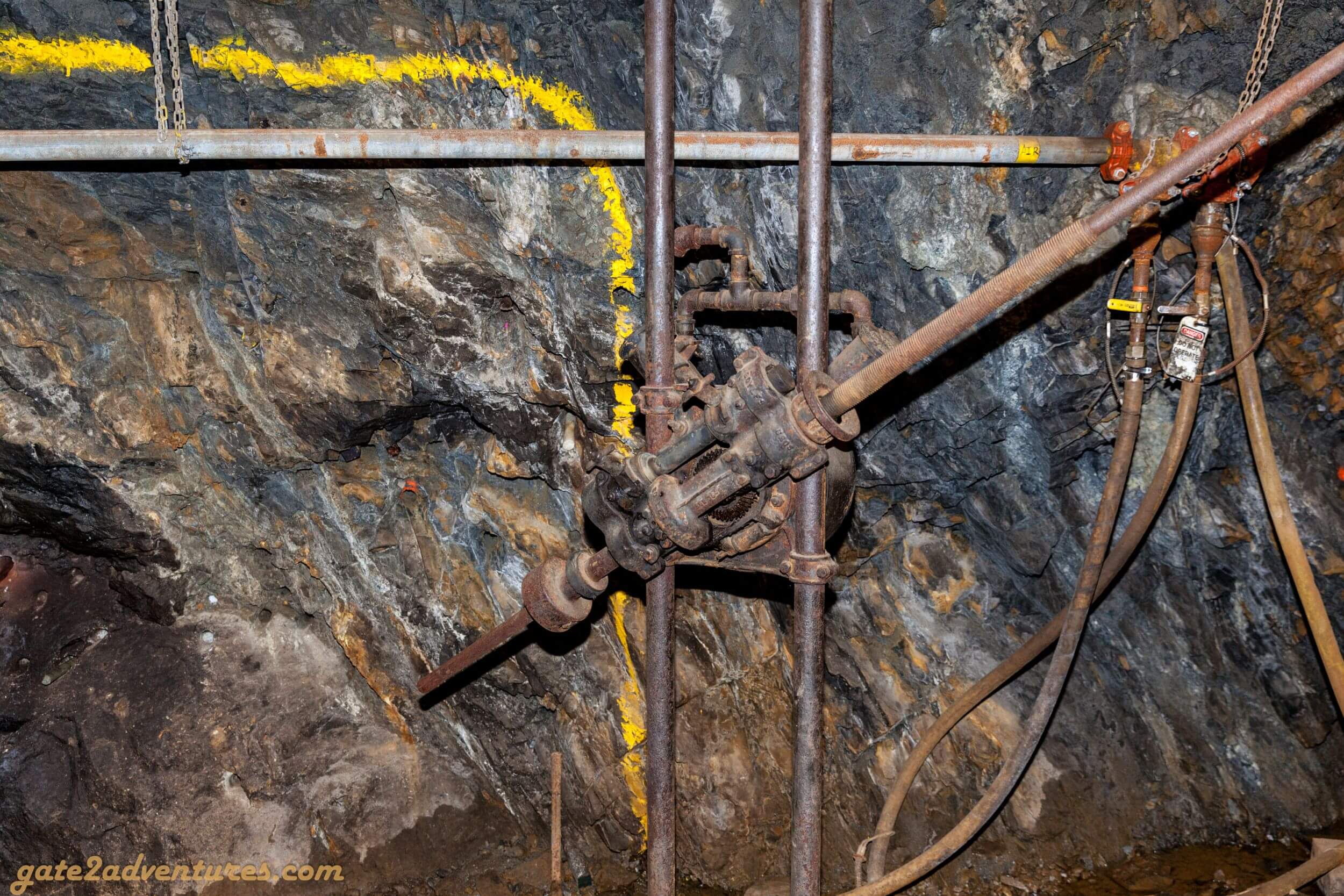
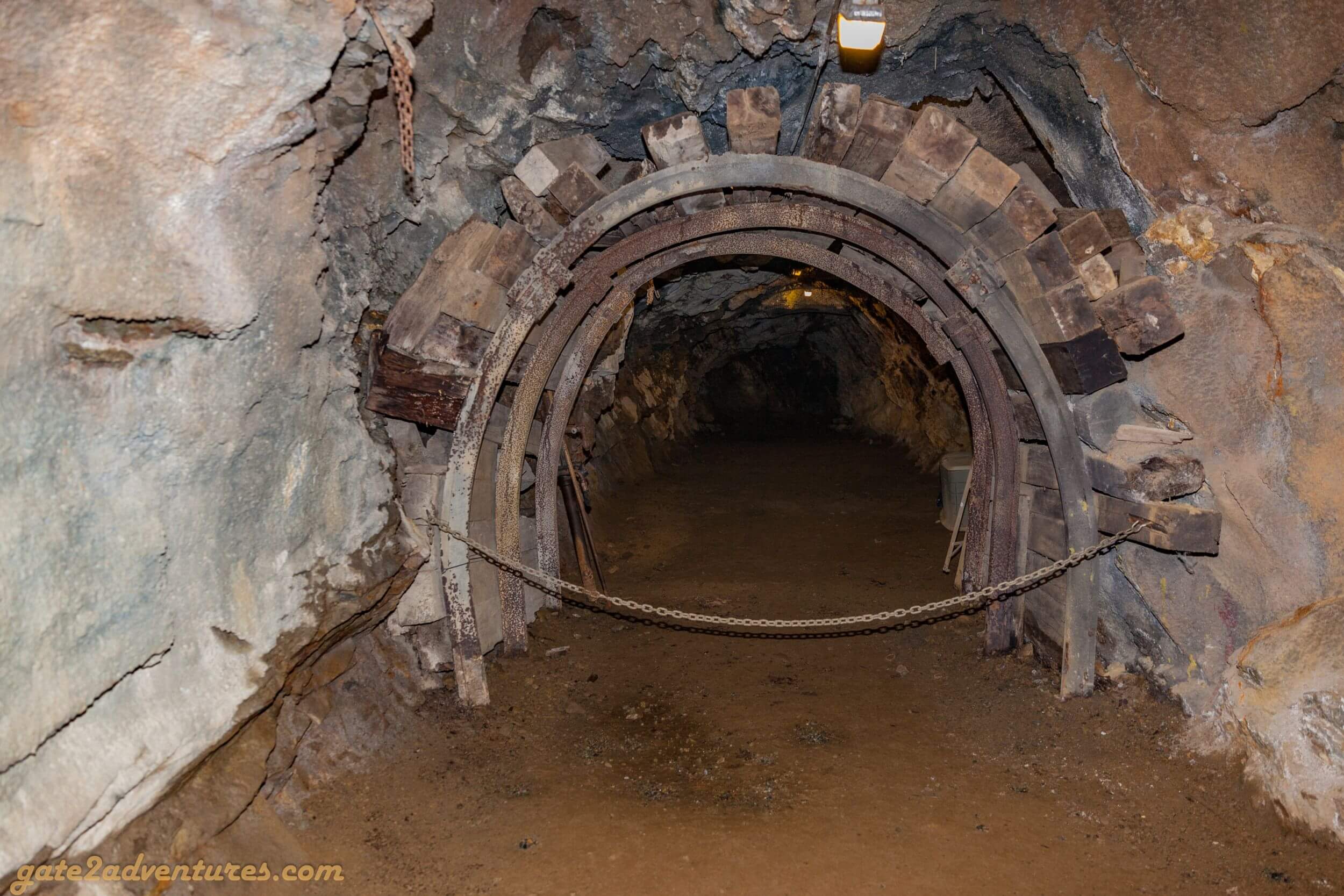
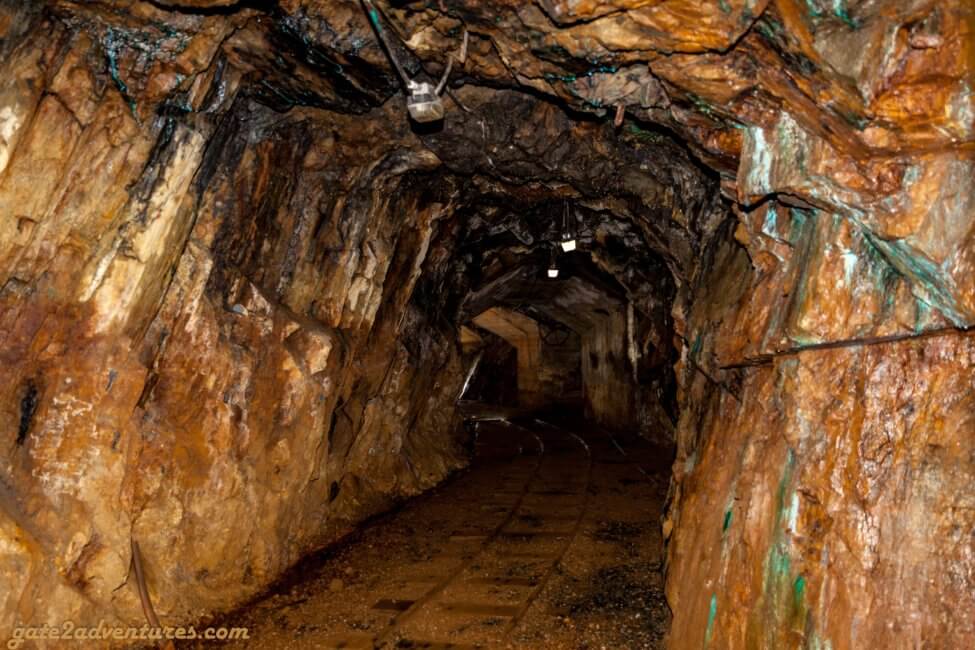
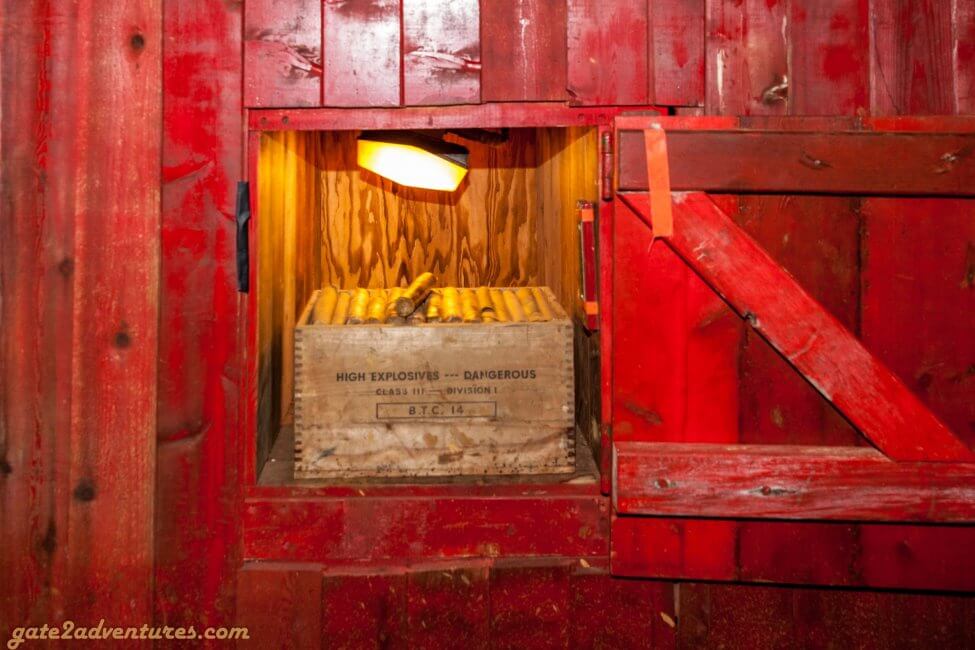
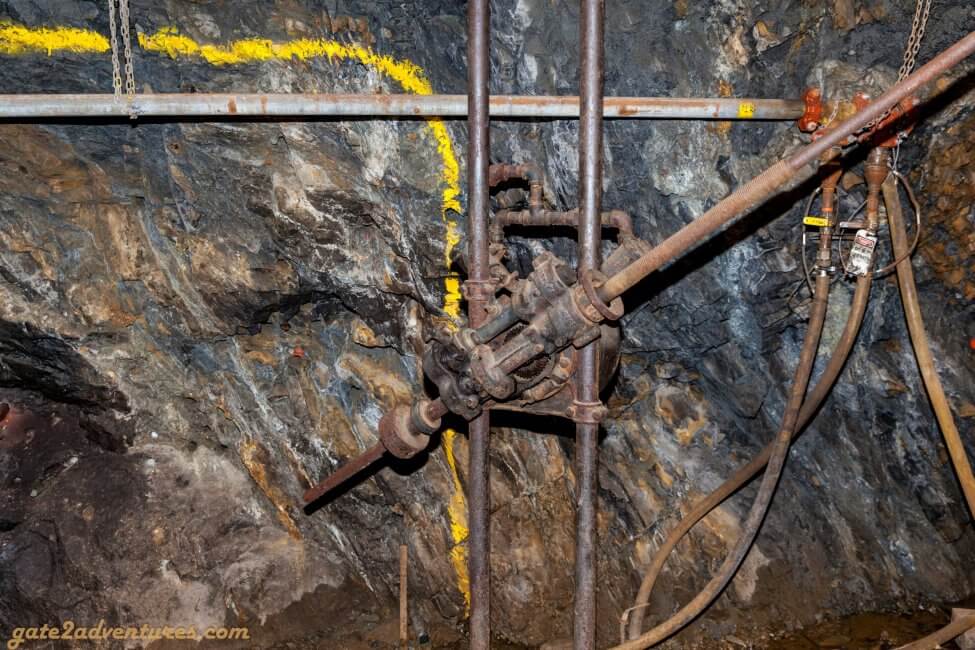
As we drove into the mountain, we passed other tunnels splitting off from this one and a dynamite storage location. Don’t worry, it’s just replica dynamite. After an unexpected short train ride, we disembarked and walked into one of the tunnels. Here Hillary showed us how workers used to drill into the rock of the mountains. Either for collecting core samples or to drill holes for explosives. This is a fully immersive experience and Hillary turned on the drills so we could also hear what it was like to work here. She gave us a heads up so we could cover our ears. But it’s hard to cover my ears with both hands and operate my camera. 😉

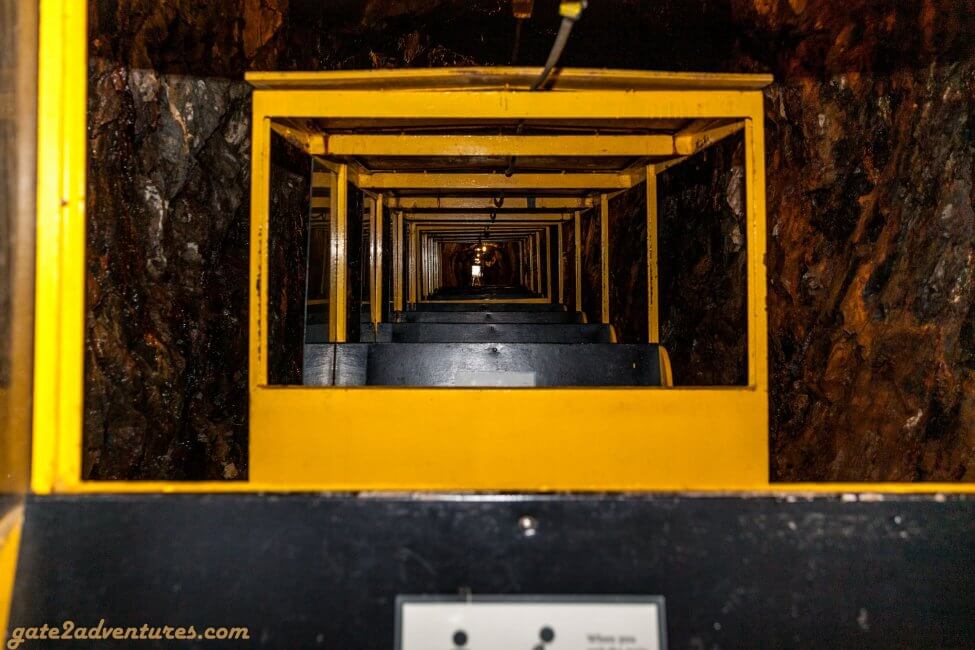
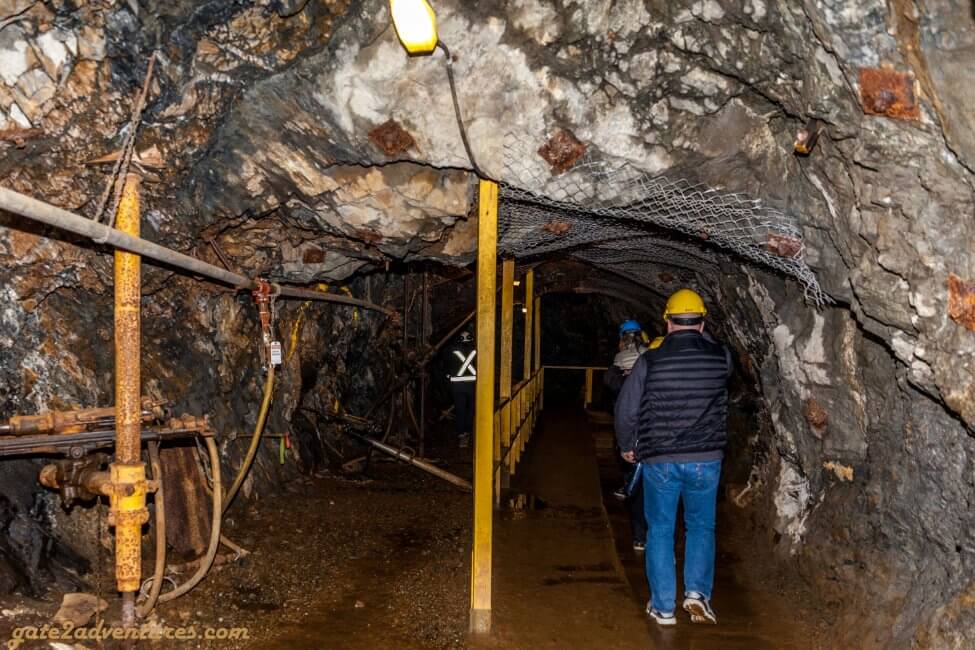
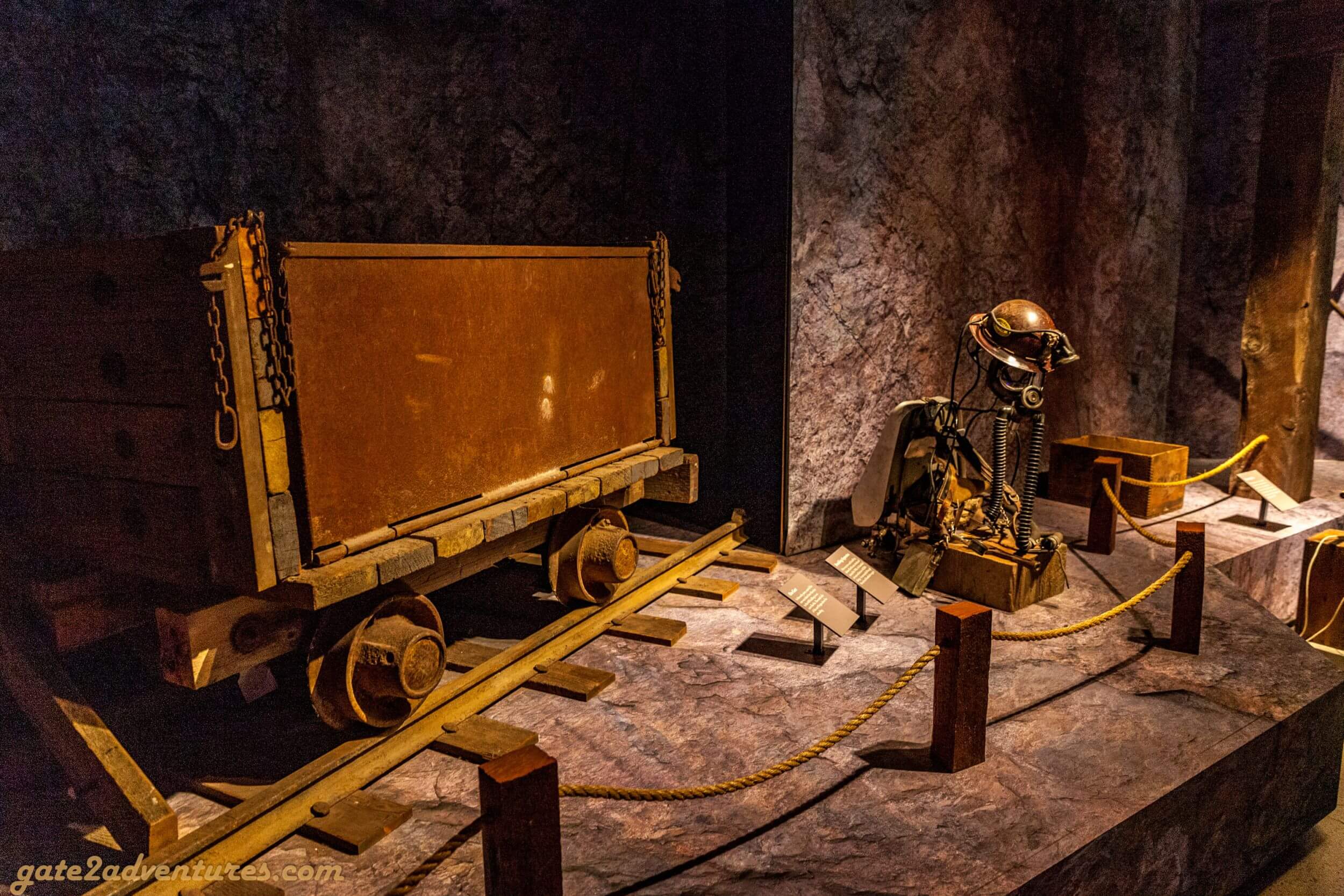
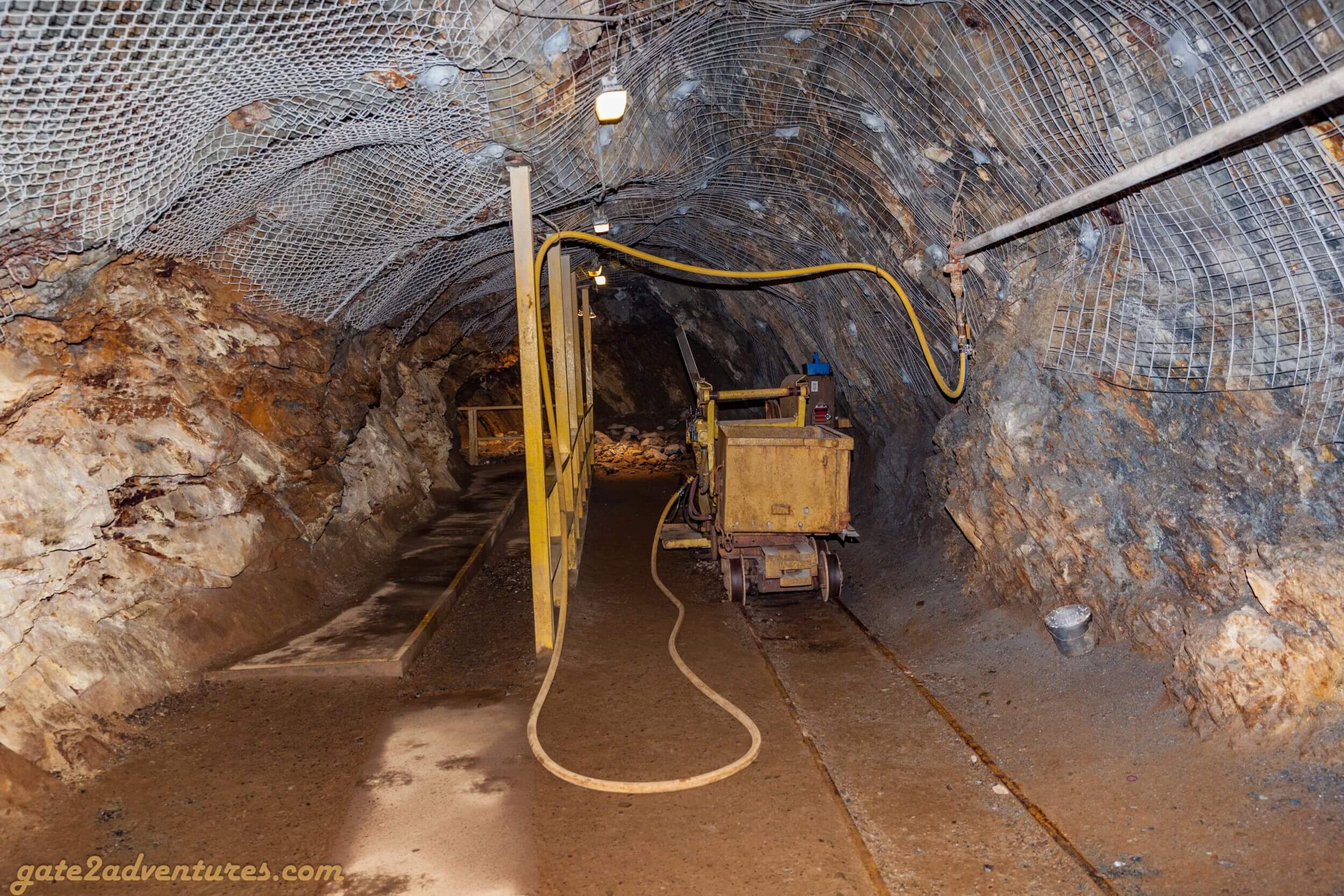
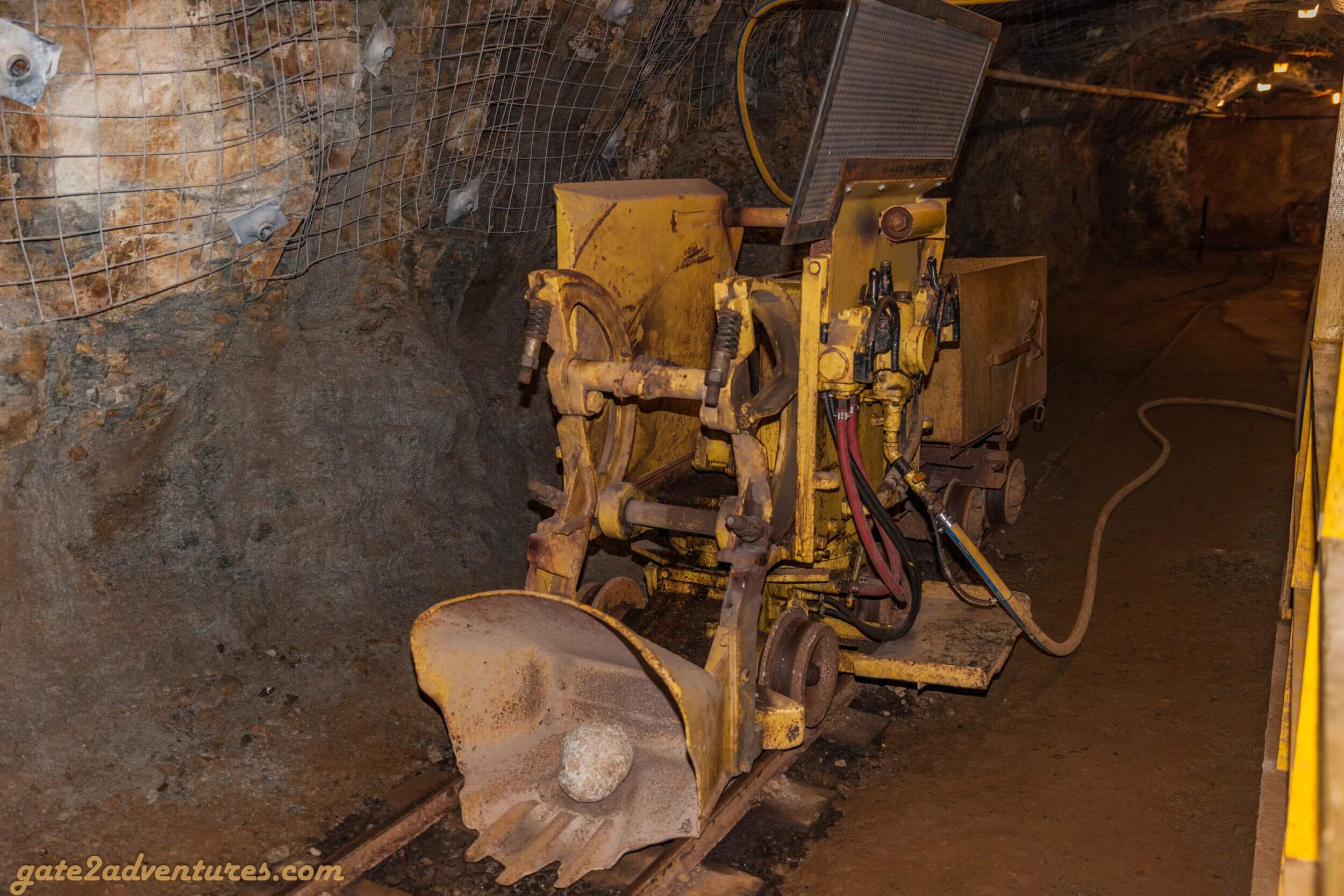
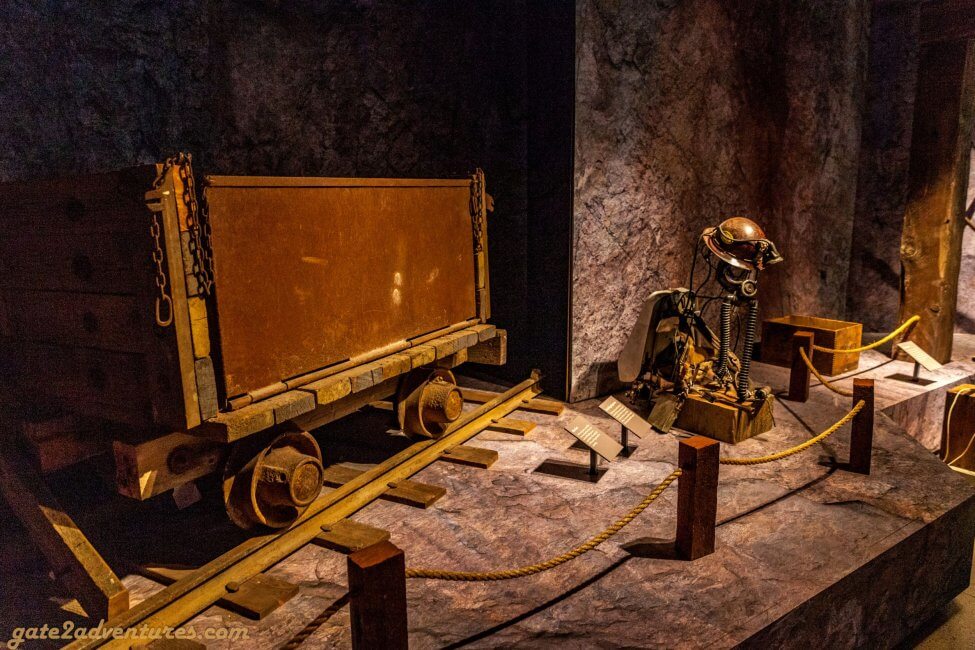
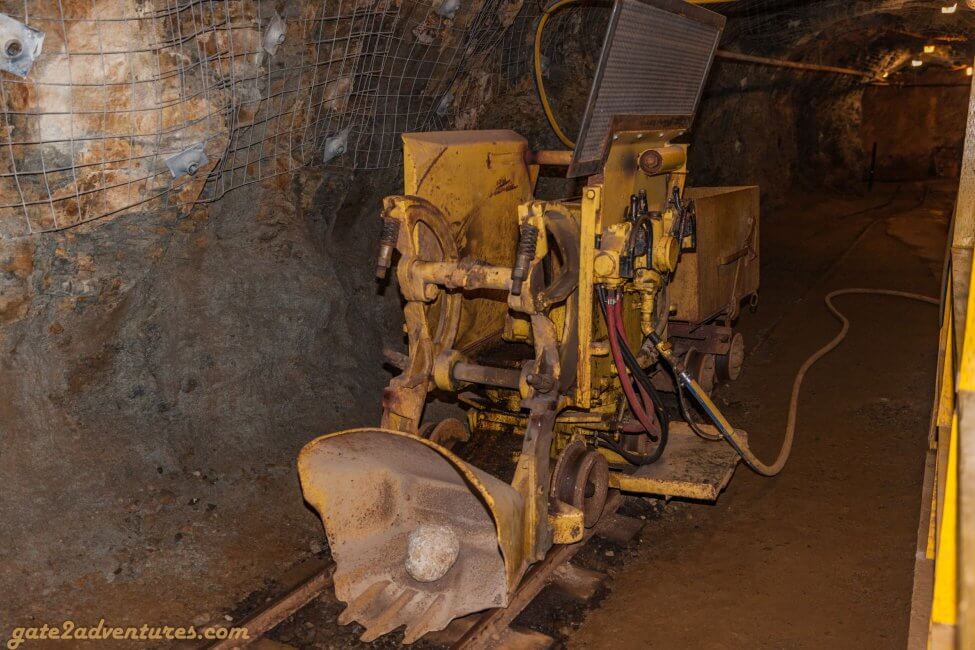
We continued on to another tunnel branching off the main train tunnel. Hillary demonstrated what light sources workers used down here and even turned off the lights of this segment of the tunnel. It’s amazing when you consider we have electricity, LED lights and all that. Back then they started out with candles. Can you believe it? She also demonstrated one of the mining advantages over time, where miners had pneumatic operated equipment to load the lorries with the blasted rock to transport it out to the concentrator. Yes, this piece of equipment is also very noisy.

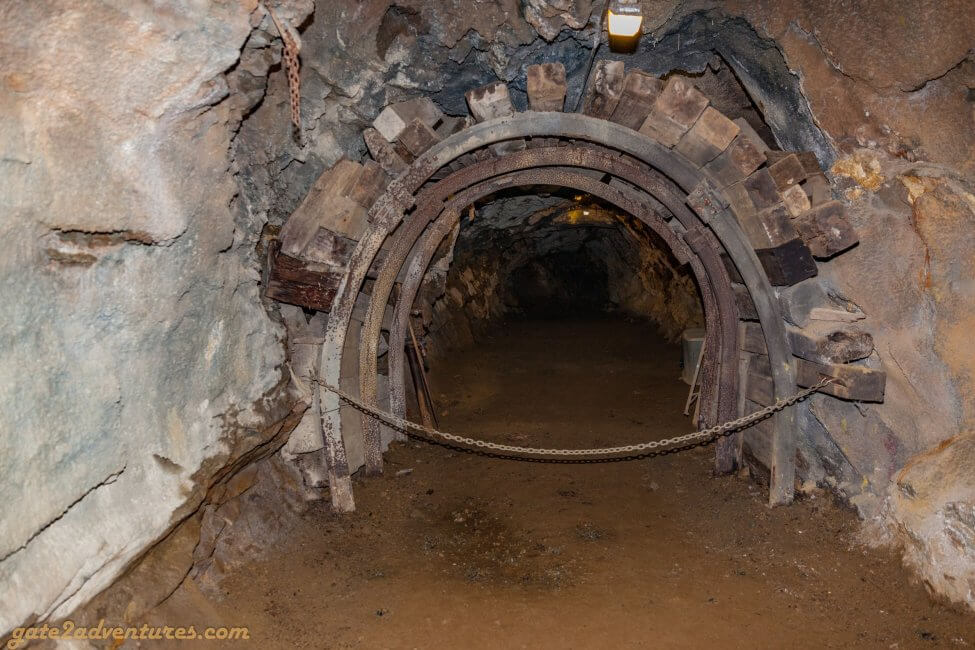
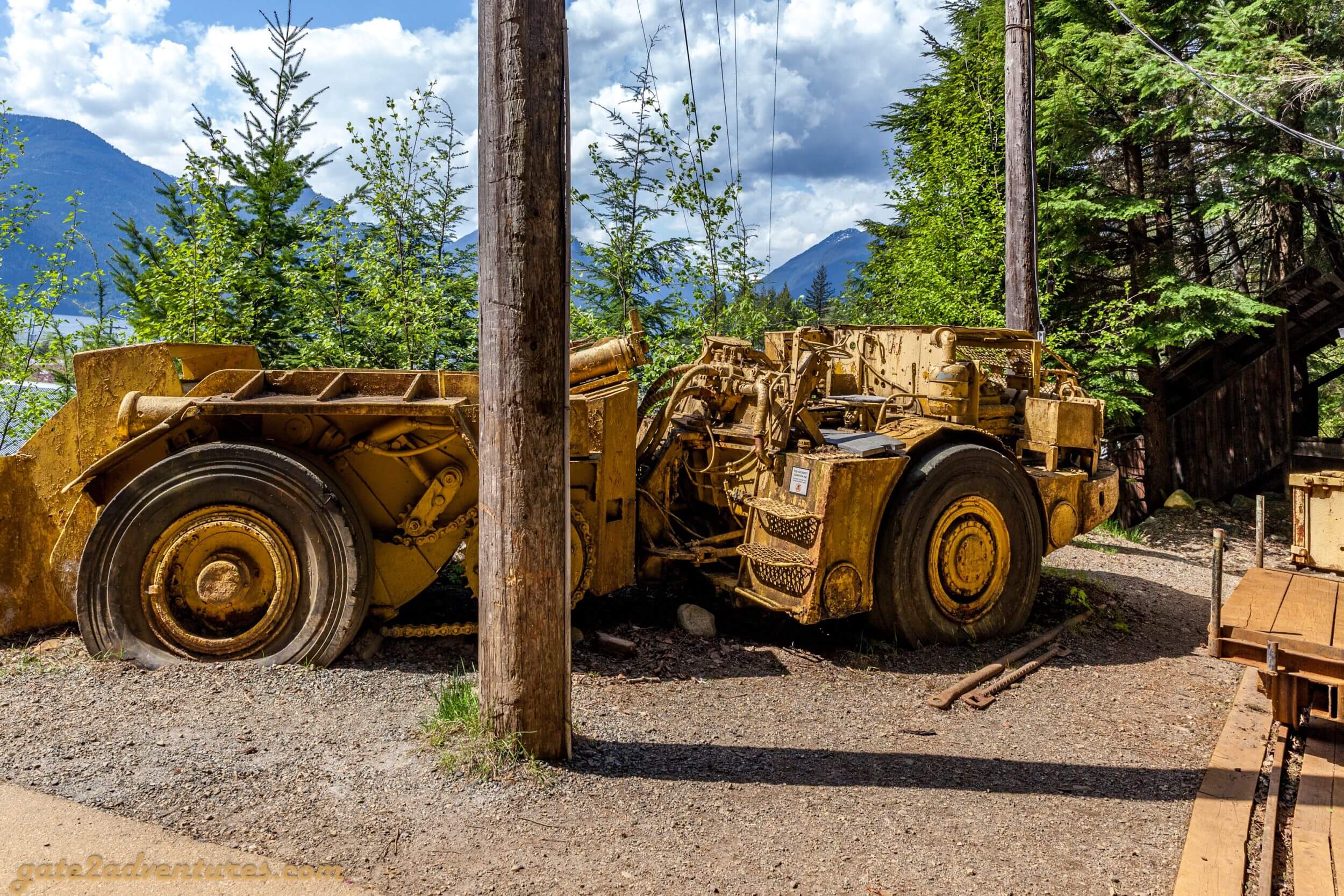
After a short walk, we made it out of the mountain on the other side. Outside of the tunnel is an air horn, which we also got to hear. Yes, it’s very loud. Around the exit are some more historic mining machines. From there we walked downhill and stopped at the core sheds. Hillary gave us a detailed explanation of how they used the core samples back then. After another short walk, we entered Mill No.3.

Mill No. 3
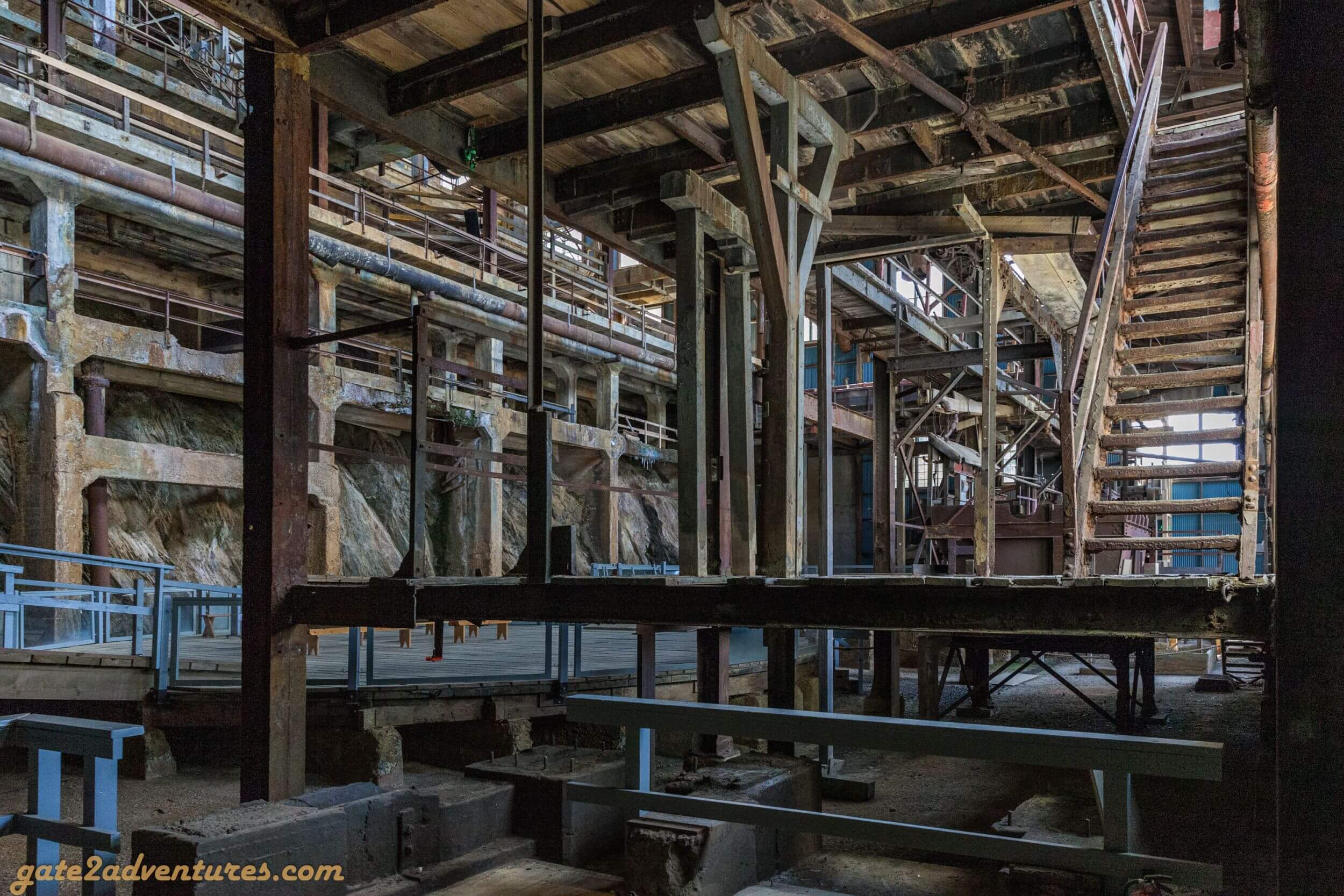
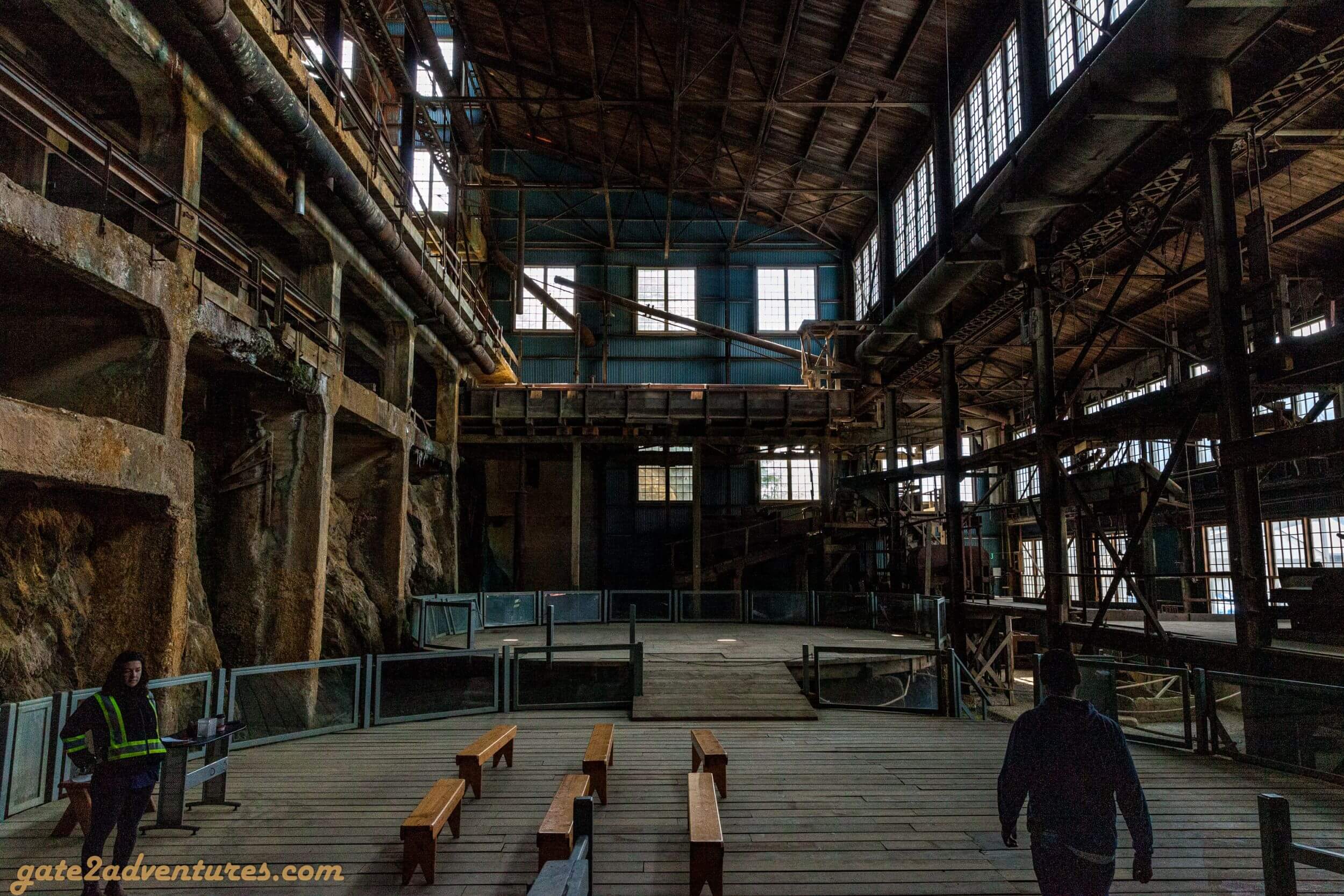
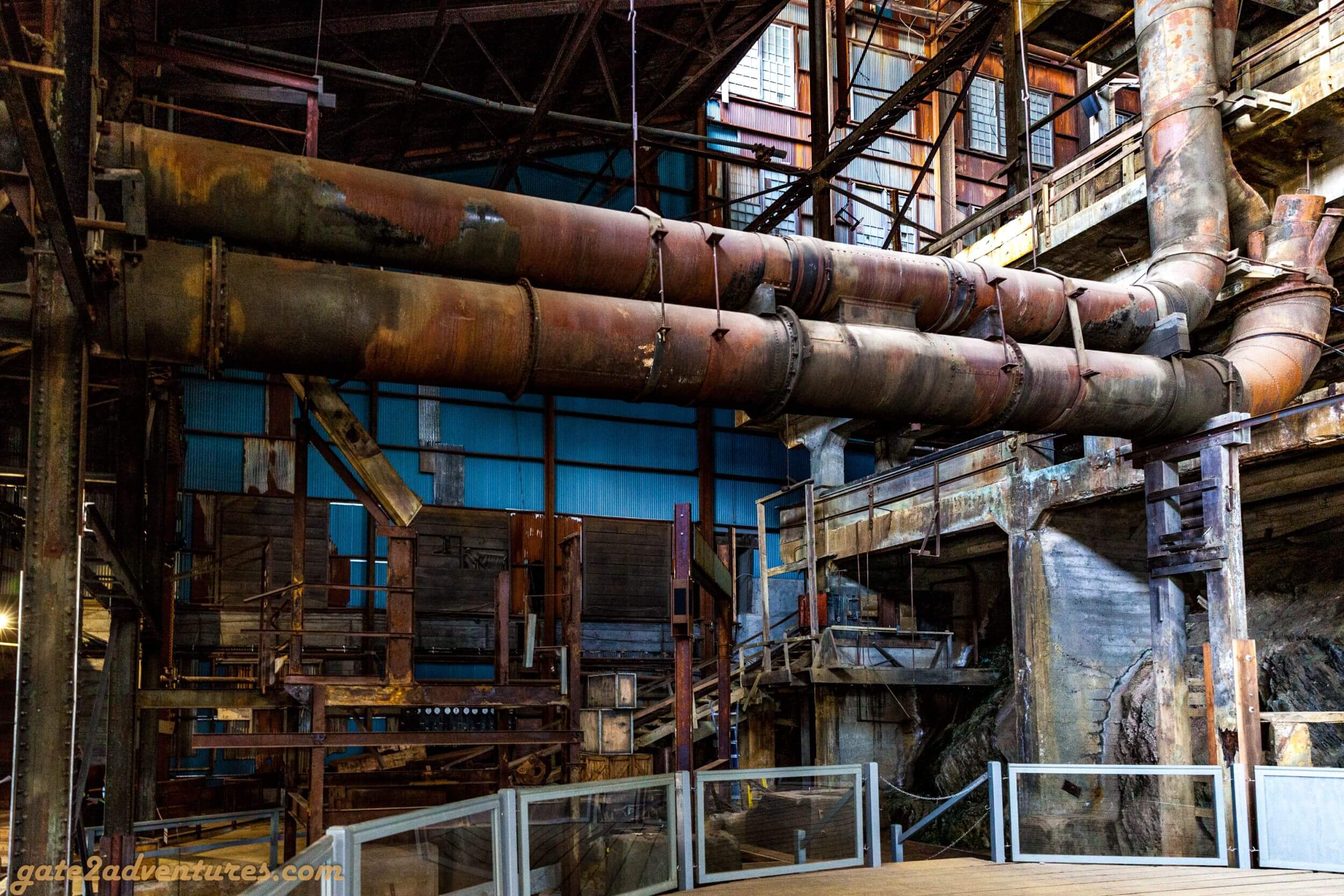
This building was the heart of the mining operation. The gravity-fed concentrator separated the ore from the rocks with chemical processes. It’s one of the last remaining gravity-fed concentrators in North America. Inside you get to experience the sheer size of this building. Look around you. Can you imagine that every one of the 14,416 panes of glass was hand-puttied into the frames to maintain its heritage back in 2007 when the building was renovated? Mill No.3 houses now a new immersive experience called Boom!

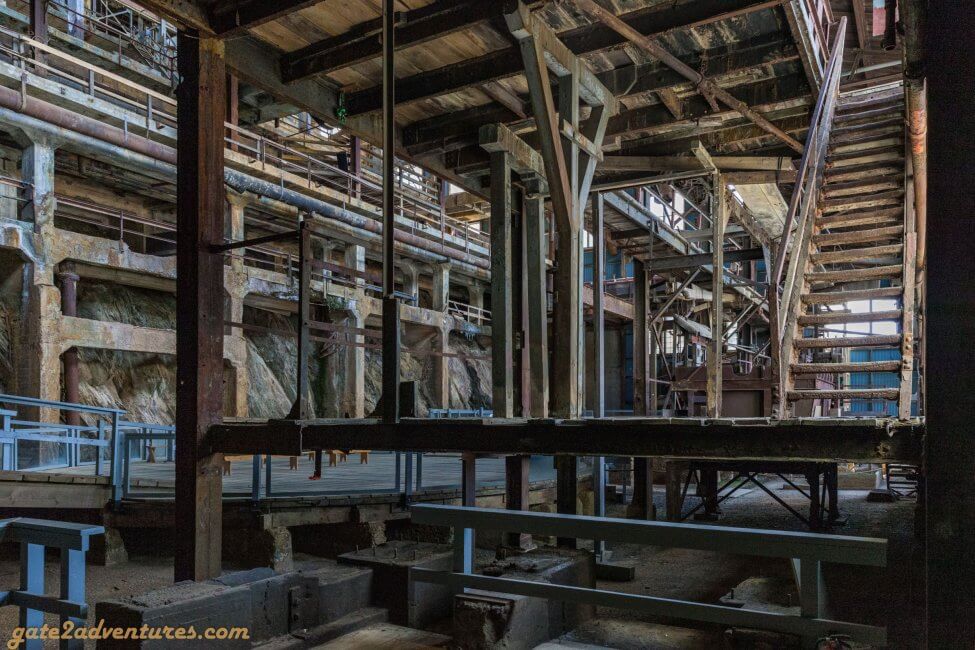
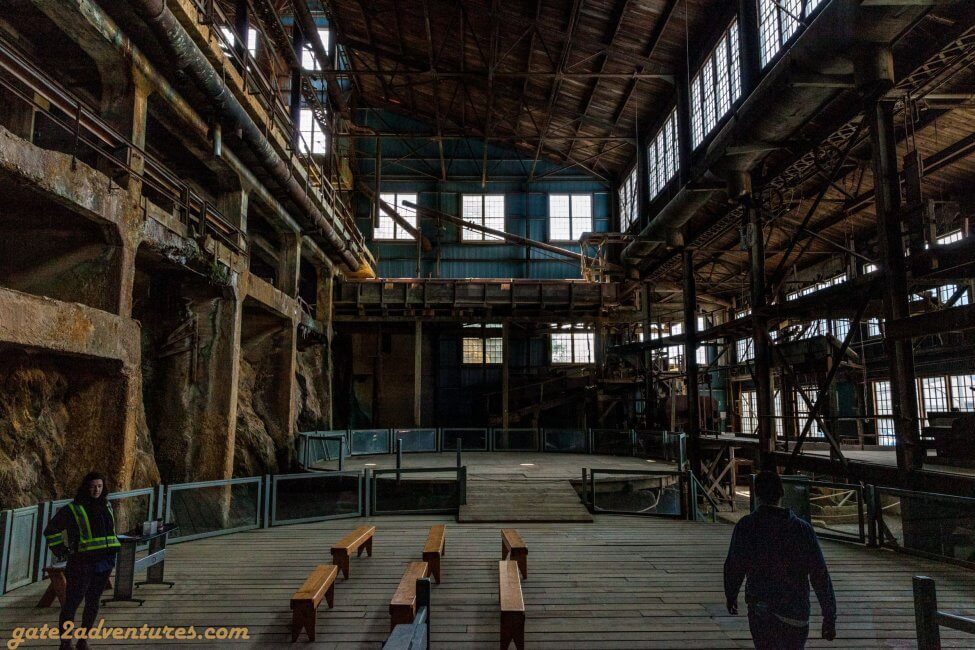
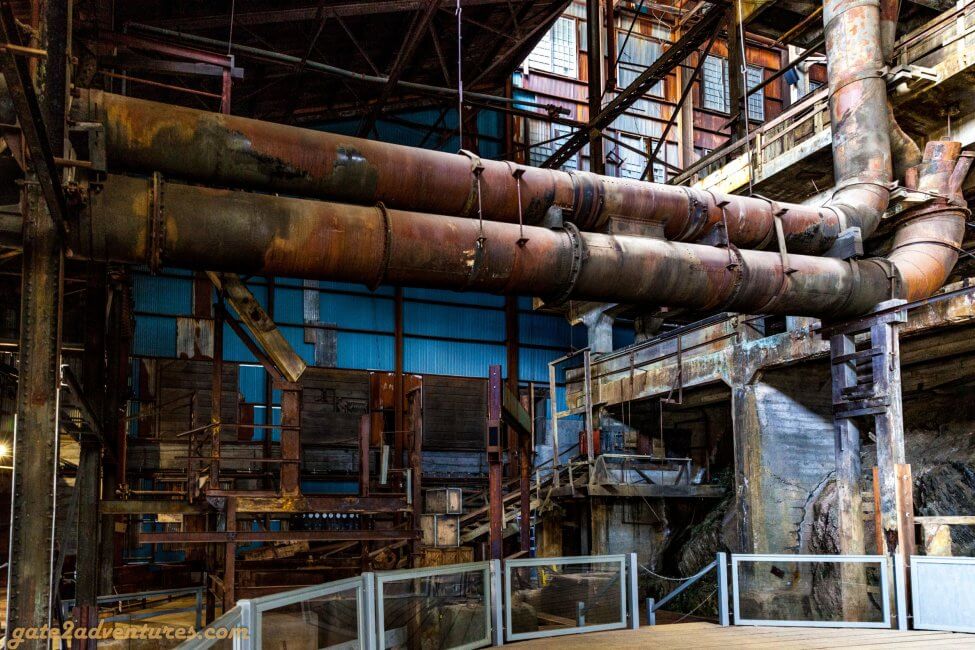
Boom! Experience in Mill No.3
This new experience opened in June 2019. Unfortunately, a few months after I visited but I hope I get to go back and see it with my own eyes. Boom! is highly rated and while I visited the Mill No.3, I was able to get a glimpse of the almost finished installation.
Conclusion
The Britannia Mine Museum is well worth a visit and the drive. If you are visiting the area for the first time, alone the drive to the mine is worth the effort. The mine itself is a world-class experience that is based right on the same site as the original mine. It’s great for the whole family. This is probably a dream come true if you never been in any mine before. Mines are just an awesome experience and a masterpiece of ingenuity. I love visiting mines, no matter if abandoned, now a museum or still active like the Bingham Canyon Open Pit Copper Mine. Being underground is a great adventure I enjoy very much. At Britannia Mine Museum, you get to go for a little bit into tunnels which used to be part of the mine before they got turned into a tourist attraction. Much of the museum grounds were under construction during my visit. Preparing the mine for the coming summer season. It’s great that they put so much effort into recreating this place and also make it tourist-friendly.
Gallery
Peter has a passion for Traveling, Photography, and Geocaching. These are the best ingredients for amazing adventures all over the globe. “Traveling is fun, no matter if you stay in a luxury hotel or travel like a backpacker.” Peter shares his experiences on his Blog www.gatetoadventures.com
Some of Peter’s photos are published on corporate websites, in-flight magazines, travel guides, and much more.